





Heat Pumps for Energy-Efficient Heating and Cooling
Heat pumps provide both heating and cooling in one energy-efficient system. During summer, a heat pump moves heat out of your home to keep it cool. In colder weather, it transfers heat from the outdoor air into your home.
By moving heat rather than generating it, a heat pump may reduce overall energy use and greenhouse gas emissions, depending on your existing heating system, local electricity supply, climate and usage. Reliance offers whole-home and ductless heat pump options to help keep your home comfortable year-round.

About Heat Pumps
-
How Does a Heat Pump Work?
-
What Are the Environmental Benefits of a Heat Pump
During the summer, a heat pump keeps your home cool by removing heat from inside your home and moving it outside. It keeps your home comfortable in the spring and fall by removing heat from the air outside and pushing it inside. Your furnace only kicks in when the temperature really drops.
- Heat pumps run on electricity and consequently produce lower CO2 emissions than a furnace that burns natural gas.
- Most electricity in Canada is produced through non-carbon emitting sources, especially in British Columbia and Ontario.
- Since your furnace won’t be running as much, you could significantly reduce your home’s CO2 emissions.
Choosing the Right Heat Pump for Your Home
Not all heat pumps are created equal. Choosing the right heat pump will help it run efficiently, help keep your budget in check and your home feeling comfortable.
Before you choose a heat pump unit, here are a few things to consider:
How big is your home? Do you live in a warmer or colder part of the country? Both are key considerations when determining your unit size and power.
How well is your home insulated? The amount and type of insulation will influence the size and power of the heat pump you will need.
Since a heat pump works to cool and heat your home, there are two ways to measure its energy efficiency. Look at the seasonal energy efficiency ratio (SEER) to check its cooling efficiency, and the heating seasonal performance factor (HSPF) to check its heating efficiency.
The higher the SEER and HSPF rating, the more energy you could save and the lower your operating costs could be.
Should You Rent or Buy a Heat Pump?
Renting a heat pump may be a good option if you prefer a predictable monthly payment and included service. Buying may be better if you prefer to own the equipment and are comfortable with a larger upfront cost. The right choice depends on your budget, home and long-term plans.
Reliance® makes it easy to rent or buy:
- When you rent, you will have one low monthly rental payment.
- Reliance will service your rental heat pump at no additional cost.
- When you buy, you own the equipment after making the upfront investment.
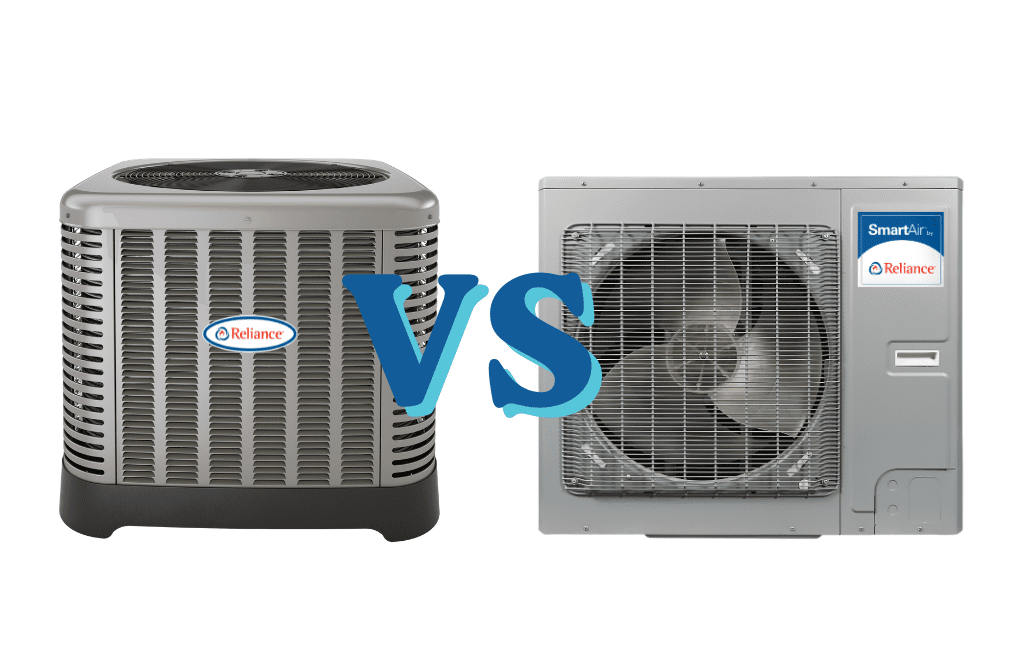
Before deciding, compare the cost of a central air conditioner versus a heat pump in Canada and learn about the differences between a heat pump and an air
You can also learn https://reliancehomecomfort.com/learning-centre/will-a-heat-pump-work-in-winter/how heat pumps work during Canadian winters or explore answers to https://reliancehomecomfort.com/learning-centre/heat-pump-faqs/frequently asked questions about heat pumps.
There are several factors to consider before renting or buying a heat pump, including your home’s heating and cooling needs, the equipment selected and your preferred payment option. Book a FREE in-home consultation and Reliance can help you understand your options.
Reliance is proud to be Canada’s neighbourhood home comfort specialists. Whether you’re ready to explore our new green home solutions, or you need help keeping your existing heating and cooling system in top shape, just Call on Reliance™.
Here’s Why Chatham Homeowners Choose Reliance
We'll Take Your Call 24/7/365
Next Day or We Pay $500 Installation Guarantee
Ready to Complete the Repairs on the First Call
Over 175,000+ 5-Star User Reviews on Google Nationwide
60+ Years of Experience
**New equipment does not guarantee energy savings; individual factors such as outdoor temperature, home insulation, run time, time of use and family size affect how much energy can be saved.
Featured Heat Pump Resources

The 2026 Canadian Guide to Ductless Heat Pumps: Costs, Rebates & Performance
Central AC vs. Heat Pump in Canada: Differences, Costs, and How to Choose (2026)

How Much Does a Home Air Conditioner Cost in Canada?