

Updated September 2026
Heat Pump vs. Air Conditioner: What’s the Difference?
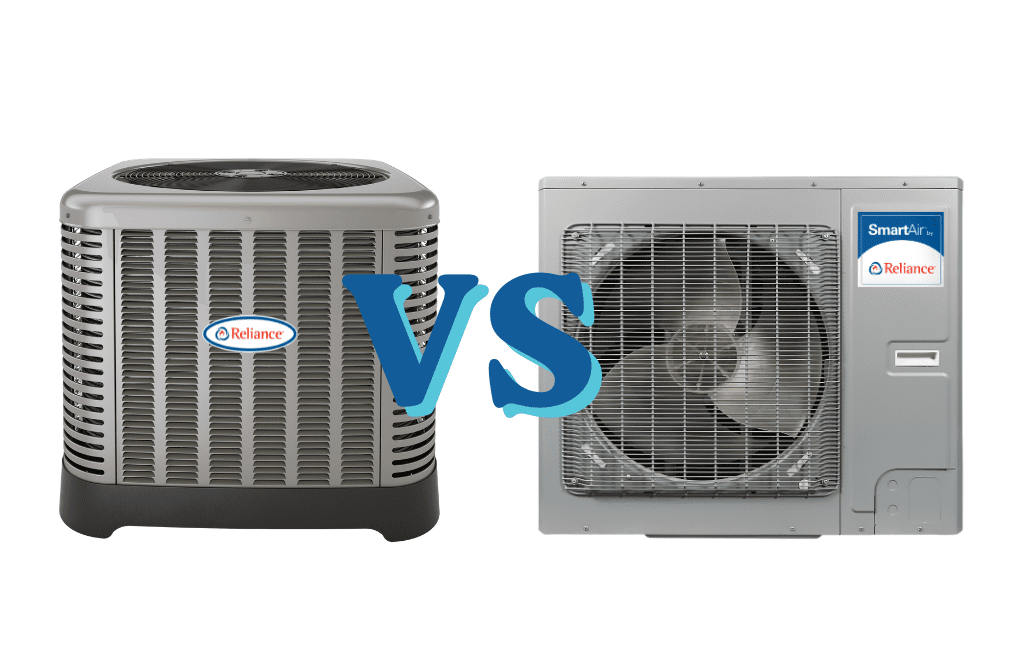
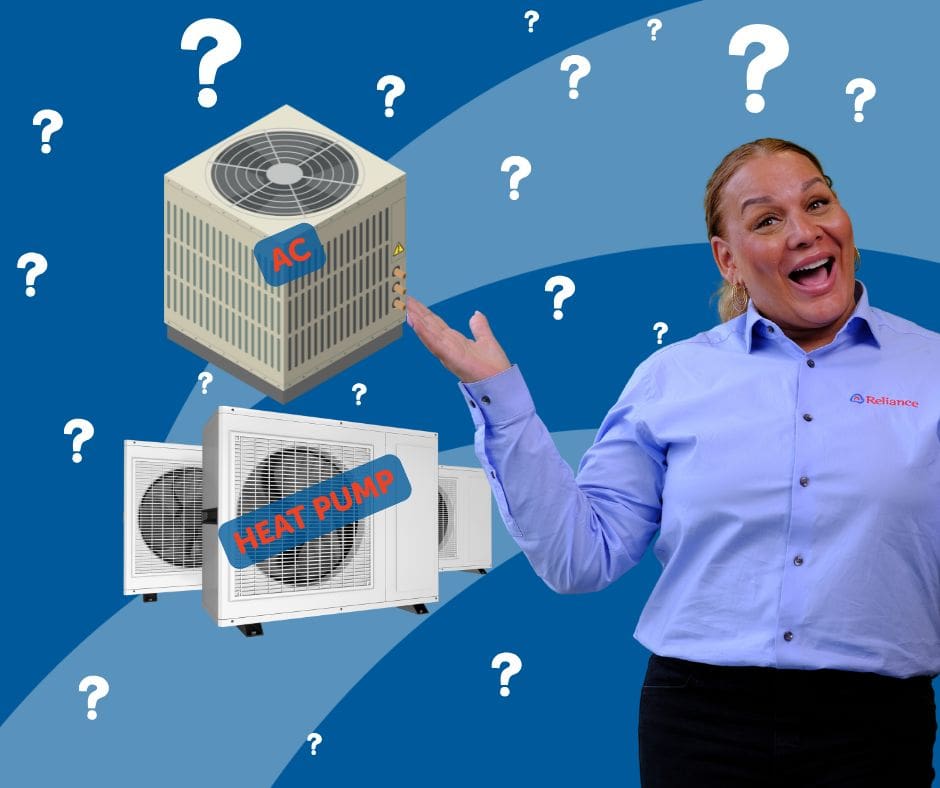
A central air conditioner only cools your home. A heat pump cools in summer and heats in fall, winter and spring using the same system. That one difference is what sets them apart, even though they look almost identical from the outside.
Both systems remove heat from your indoor air to keep your home cool. But a heat pump can reverse that process, transferring heat from the outside air into your home when it’s cold. That makes a heat pump a two-in-one comfort solution for heating and cooling.
Key Takeaways
- Both systems cool your home by removing heat from indoors
- Heat pumps reverse operation to provide heat in cooler weather
- Heat pumps run on electricity, making them an energy-efficient option
- Hybrid systems (heat pump + furnace) are common in colder regions of Canada
How Each System Works
Air conditioners use refrigerant to absorb heat from the air inside your home and release it outside. This is a one-way process. An air conditioner needs to be paired with a separate heating system, like a gas furnace, to keep your home warm in winter.
Heat pumps use the same cooling process, but include a reversing valve that lets the system work in both directions. In summer, it moves heat out of your home. In cooler seasons, it pulls heat from the outdoor air and transfers it inside. Even when it’s cold outside, there is still usable heat energy in the air that a heat pump can capture.
Types of heat pumps: The most common type in Canada is an air-source heat pump, which transfers heat between your home and the outdoor air. Ground-source (geothermal) heat pumps use the earth’s temperature instead, but are significantly more expensive to install. This guide focuses on air-source heat pumps, which is what most Canadian homeowners choose.
Efficiency ratings: Both systems are rated using SEER (Seasonal Energy Efficiency Ratio) for cooling. A heat pump and an air conditioner with the same SEER rating use about the same energy to cool your home. Heat pumps also carry an HSPF (Heating Seasonal Performance Factor) rating for heating. Higher numbers mean lower energy costs.
Heat Pump vs. Air Conditioner Cost at a Glance
Why Choose a Heat Pump?
A heat pump runs entirely on electricity, making it an energy-efficient and eco-friendly choice, in particular if you live in a province that produces clean electricity. Many homeowners switch to heat pumps to:
-
-
- Reduce their reliance on fossil fuels
- Lower their carbon footprint
- Simplify home comfort with one system for all seasons if you live somewhere milder like coastal BC
-
Why Choose an Air Conditioner?
A central air conditioner may be the right choice if you already have a reliable furnace or another suitable heating system and primarily need cooling. It can also be a simpler option if you are not planning to change your home’s heating setup.
An air conditioner may be a good fit if you:
- Already have a furnace you plan to keep
- Primarily want to improve summer cooling
- Do not need an additional source of heat
- Prefer to update your cooling system without changing your heating equipment
The right system still depends on your home, climate, existing equipment and a professional heating and cooling load calculation.
What About Cold Winters?
If you live in a region with mild or moderate winters, a heat pump might be all you need year-round.
However, if your area experiences very cold winters, a heat pump may need a backup heat source, like a furnace, because it can lose efficiency once temperatures drop below a certain point. This is why hybrid systems are the most common setup in Ontario, the Prairies, and other regions with harsh winters. The heat pump handles cooling and the bulk of heating, while the furnace kicks in only when temperatures drop significantly.
A heat pump can replace your air conditioner entirely, but in much of Canada, pairing it with an existing furnace gives you the best of both worlds.
It’s also worth noting that a heat pump runs entirely on electricity. If your area experiences power outages, a hybrid system with a gas furnace provides a backup heat source that doesn’t depend on the electrical grid.
Should You Get a Heat Pump or an Air Conditioner?
The best system depends on your climate, energy preferences, and comfort goals.
A heat pump is ideal if you:
-
-
-
- Want both heating and cooling from one system
- Prefer an all-electric, energy-efficient option
-
-
- Live in an area with milder winters
-
An air conditioner is a great choice if you:
-
-
- Already have a reliable furnace for heating
- Experience long, cold winters where a heat pump might need backup
- Want to upgrade cooling performance without changing your heating setup
-
Not sure which system is right for your home? Take our Heat Pump or AC Quiz for a quick recommendation.
No ductwork? If your home uses baseboard heaters or radiators, a ductless mini-split heat pump can provide heating and cooling without installing ducts. See our 2026 Canadian Guide to Ductless Heat Pumps.
Sizing matters: Whether you choose an air conditioner or a heat pump, proper sizing is essential. An oversized or undersized system won’t keep your home comfortable and will cost more to run. Sizing should be based on a professional load calculation, not square footage alone. Learn more in our guide: What Size Air Conditioner Do I Need?
Watch: What’s the Difference Between a Heat Pump and an Air Conditioner?
Heat Pump vs. Air Conditioner at a Glance
| Central Air Conditioner | Heat Pump | |
|---|---|---|
| Cooling | Yes | Yes |
| Heating | No (needs a furnace) | Yes |
| All-electric option | No | Yes |
| Cold-climate capable | N/A | Yes (may need backup below a certain temperature) |
| Typical setup | AC + gas furnace | Heat pump alone, or heat pump + furnace (hybrid) |
| Eco-friendly | Standard | Reduced reliance on fossil fuels |
For a full pricing breakdown, see our 2026 AC vs. Heat Pump Cost Guide.
Frequently Asked Questions
What is the difference between a heat pump and an air conditioner?
Both systems cool your home by removing heat from indoor air. The difference is that a heat pump can reverse the process to heat your home as well, while an air conditioner only cools.
Do heat pumps work in Canadian winters?
Yes. A heat pump can provide heating in spring, fall, and winter by transferring heat from the outside air inside. In regions with very cold winters, a heat pump may need a backup heat source like a furnace because it can lose efficiency below a certain temperature.
Can I replace my air conditioner with a heat pump?
Yes. A heat pump can replace your air conditioner entirely. If you experience very cold winters, you may still want to keep a furnace as backup for the coldest days.
Is a heat pump more energy efficient than an air conditioner?
A heat pump runs entirely on electricity and provides both heating and cooling from one system, which can reduce overall energy use compared to running a separate air conditioner and gas furnace.
What is a hybrid heating system?
A hybrid system pairs a heat pump with a gas furnace. The heat pump handles cooling and most of the heating, while the furnace provides backup during the coldest temperatures. This is a common setup in colder regions of Canada.

Check out our latest Heat Pumps offers here!
See Latest OffersRelated Articles