

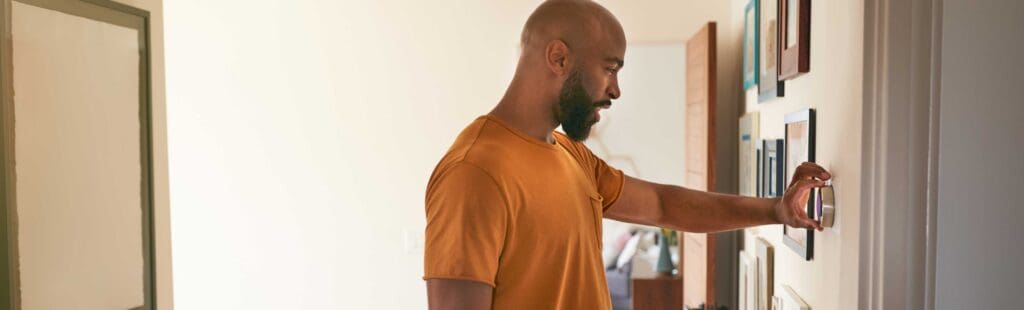
To test your furnace before winter, switch your thermostat to heating mode and raise the set temperature about 5°C above the current room temperature. Confirm that the furnace starts, air comes from the vents and your home begins getting warmer. Stop the test if you smell gas, a carbon monoxide alarm sounds, or you notice smoke, electrical odours or other signs of a potentially unsafe problem.
As temperatures begin to drop, testing your furnace before you need it every day can help uncover a problem before the first cold snap.
This is not a replacement for professional furnace maintenance. It is a simple homeowner check to confirm that the system starts, moves air and heats the home as expected.
Before You Turn On Your Furnace
Take a few minutes to check the area around the furnace:
- Remove boxes, paper, cleaning products and other stored items from around the equipment.
- Make sure the furnace filter is installed correctly and is not visibly clogged. Not sure how to check and change it yourself? Follow our guide on how to change your furnace filter.
- Check accessible supply and return vents inside your home and move furniture, rugs or curtains that are blocking them.
- From outside, visually check that accessible furnace intake and exhaust openings are not blocked by leaves, debris or other objects. Do not reach inside or attempt to dismantle anything.
How to Test Your Furnace
1. Switch the Thermostat to Heating Mode
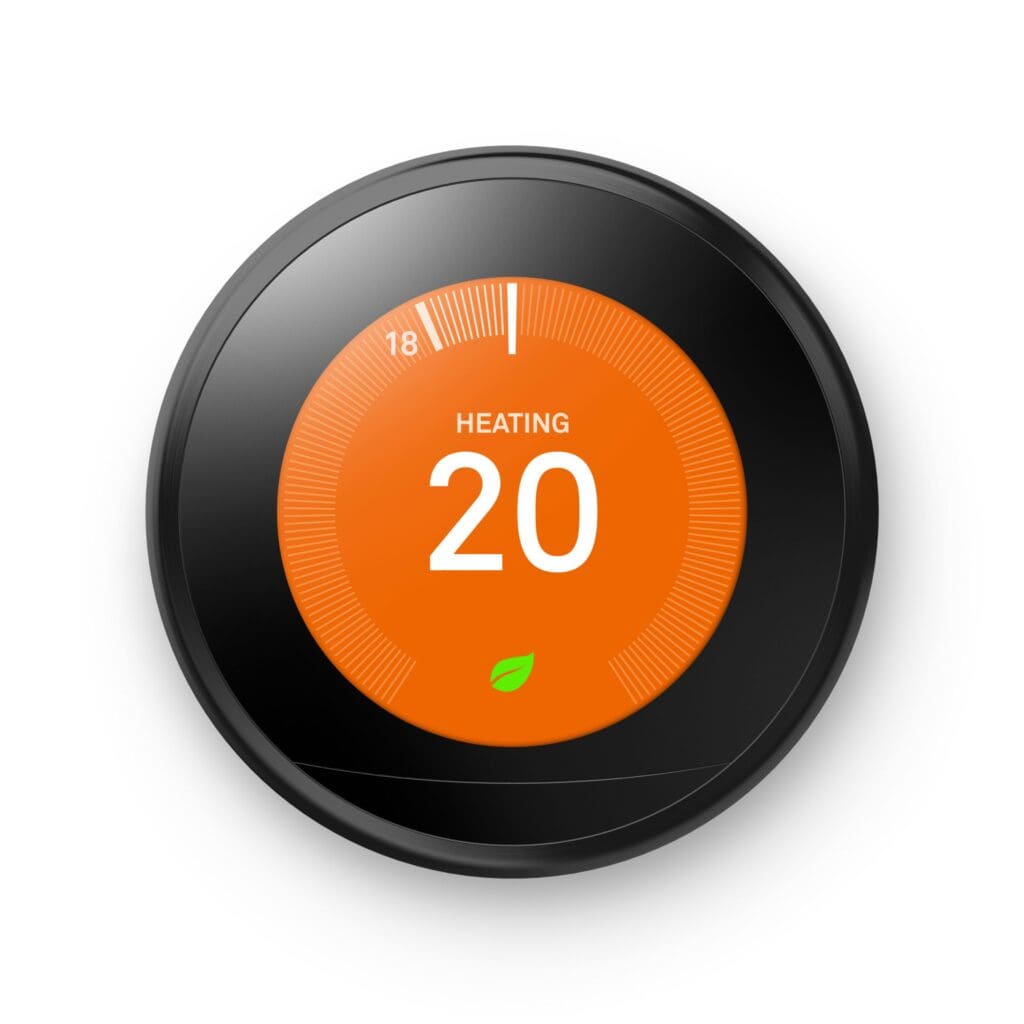
Set the thermostat to Heat, then raise the temperature about 5°C above the current indoor temperature.
If you use a programmable or smart thermostat, check that it is not in an away, vacation or cooling schedule that could prevent the furnace from starting.
2. Listen for the Furnace to Start
Depending on the furnace, you may first hear the inducer motor, followed by ignition and then the blower fan. The entire system may not start at once.
A soft hum, the sound of moving air and occasional light ticking from expanding ductwork can be normal. Loud banging, repeated clicking without ignition, grinding, scraping or high-pitched squealing should be checked.
3. Check the Airflow at Several Vents
Move through different areas of your home and confirm that air is coming from multiple supply vents.
Avoid judging the system by one vent alone. Airflow can naturally vary depending on the duct layout, vent location and how the system is operating.
If airflow seems weak throughout the home:
- Check whether the filter is dirty or installed incorrectly.
- Make sure return-air grilles and supply vents are open and unobstructed.
- Do not remove furnace panels or attempt to inspect internal components.
Persistent weak airflow may require professional diagnosis.
4. Confirm That Your Home Is Getting Warmer
The air coming from a vent does not always need to feel extremely hot.
A single-stage furnace typically produces noticeable warmth once the blower starts. A modulating furnace may deliver gentler heat for longer periods as it adjusts its output to maintain a steady indoor temperature.
Instead of relying only on how the air feels against your hand, check whether the temperature shown on the thermostat begins moving toward the setting.
5. Verify Heat, Lower Setting and Wait for Furnace to Turn Off
Lower the thermostat setting once heating has been verified and ensure the system shuts off on its own.
Arrange an inspection if the furnace:
- Starts and stops repeatedly within a short period
- Runs but does not raise the indoor temperature
- Shuts down before the home begins warming
- Continues running without approaching the set temperature
- Trips a breaker or repeatedly requires a reset
Do not keep restarting a furnace that will not operate normally. Repeated resets can hide the original symptom and will not correct the underlying problem.
What Furnace Sounds Are Normal?
Some noises are part of normal furnace operation. Others can indicate that the system needs attention.
| What you notice | What to do |
|---|---|
| Soft humming or moving air | Usually part of normal operation. Continue monitoring the system. |
| Light ticking or pinging from ducts | May occur as metal ductwork heats and expands. |
| Repeated clicking without the furnace starting | Turn the system off and arrange an inspection. |
| Grinding, scraping or squealing | Turn the system off to avoid continuing to operate a potentially damaged component. |
| A bang or boom when the burners ignite | Stop the test and have the furnace checked. |
What Furnace Smells Are Normal?
A mild dusty smell can occur when a furnace runs for the first time after sitting unused. Dust that has settled during the warmer months may heat up during the first cycle.
Turn the furnace off and arrange service if you notice:
- An electrical or melting-plastic smell
- Visible smoke
- An odour that grows stronger or returns every time the furnace runs
- Scorching or signs of heat damage
- A rotten-egg or sulphur-like smell
If You Smell Natural Gas
If you smell a rotten-egg or sulphur-like odour, leave the area immediately. Do not operate phones, electronics, lights, appliances or anything that could create a spark while inside. Call 911 or your natural gas utility from a safe location outside.
A carbon monoxide alarm does not detect a natural gas leak.
If a Carbon Monoxide Alarm Sounds
Leave the home immediately and move to fresh air. Once outside, call 911, the fire department or local emergency services. Do not try to find the source yourself, and do not return until the problem has been corrected by a professional.
Carbon monoxide cannot be seen, smelled or tasted. It can only be detected by a carbon monoxide alarm.
When Should You Have Your Furnace Checked?
Contact a qualified heating professional if:
- The furnace does not start
- The blower runs but the home does not get warmer
- Airflow is weak throughout the home
- The furnace repeatedly starts and stops
- You hear new banging, grinding, scraping or squealing
- The system trips a breaker
- You notice soot, scorching, smoke or electrical odours
- The furnace behaves differently from previous heating seasons
Do not remove access panels, adjust gas components or attempt internal repairs yourself.
Test Early, Before You Depend on Your Furnace
Testing your furnace before colder weather arrives gives you time to address a problem without waiting until your home is already uncomfortable.
If your furnace does not pass the check, Reliance Home Comfort® offers 24/7/365 live phone support and as-soon-as same-day furnace repairs. Call us at 1-888-837-1451 or if you are a Reliance customer, you can book a repair appointment online.
For more information about furnace operation, efficiency options and replacement considerations, read our Ultimate Furnace Guide.
Frequently Asked Questions About Testing a Furnace
How do I test my furnace before winter?
Switch the thermostat to heating mode and raise the setting about 5°C above the current indoor temperature. Confirm that the furnace starts, air comes from several vents and the thermostat temperature begins to rise.
How long should I run my furnace for a pre-season test?
Allow the furnace to complete a normal heating cycle. The goal is to confirm that it starts, produces heat, moves air and shuts down normally as the thermostat approaches the selected temperature.
Why does my furnace smell dusty when I first turn it on?
A mild dusty smell can occur during the first heating cycle after the furnace has been unused. Turn the system off if the smell is strong, persistent, electrical, accompanied by smoke or returns during later cycles.
Why is the air from my furnace not very hot?
A modulating furnace can produce gentler heat over a longer period instead of short bursts of very hot air. Check whether the indoor temperature is moving toward the thermostat setting rather than judging the system only by the temperature at one vent.
Why is my furnace clicking but not starting?
Repeated clicking without ignition may indicate that the furnace is attempting and failing to start. Turn it off and arrange professional service rather than repeatedly resetting it.
Should I test my carbon monoxide alarm when I test my furnace?
Your carbon monoxide alarms should be tested according to the alarm manufacturer’s instructions. If an alarm sounds, leave the home immediately, move to fresh air and call emergency services from outside.


Check out our latest Furnace offers here!
See Latest OffersRelated Articles