

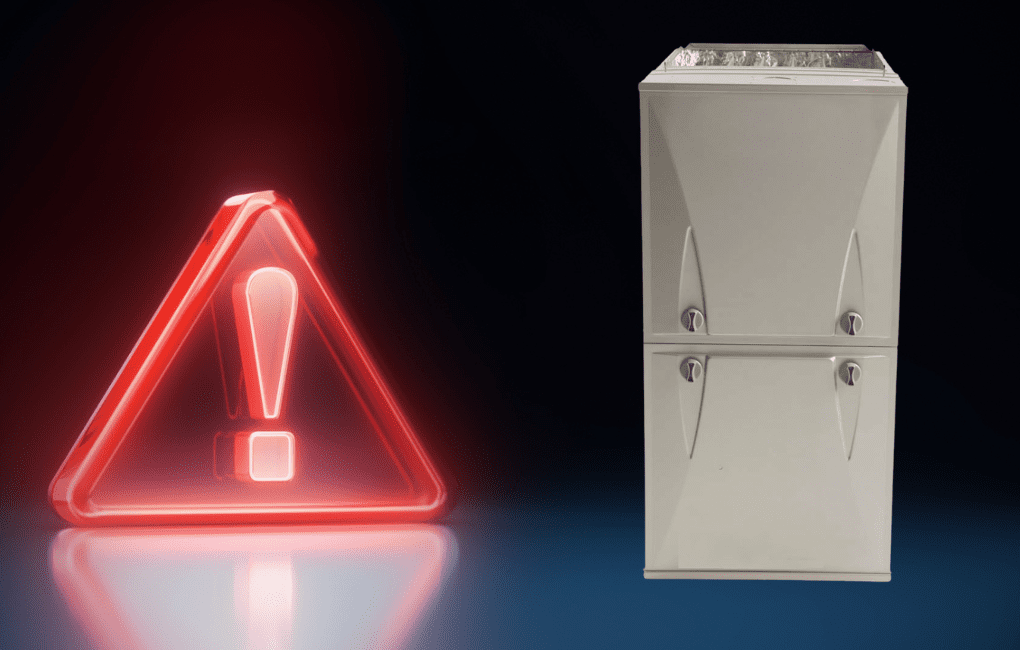
If a furnace, water heater, boiler, fireplace, or other gas appliance in Ontario is labelled as unsafe by a technician, homeowners are often told it has been “red tagged.”
A red tag in Ontario is a commonly used term for a formal gas safety infraction. It is part of a regulated process used to identify gas appliances, venting systems, or gas piping that do not meet provincial safety requirements and may present a safety risk. A red tag is not a penalty and it is not optional. It is a documented safety notice that must be addressed.
What Does “Red Tagged” Mean in Ontario?
In Ontario, being red tagged means a licensed gas technician has identified a safety infraction under provincial gas safety rules.
A red tag is typically applied only after other options have been considered. When a technician discovers a problem, the first step is to correct it during the visit. If the issue can be fixed on the spot, no infraction is issued and no tag is applied.
If the issue cannot be corrected and is being left in place, the technician is required to document the safety finding and apply a safety tag. Depending on the nature of the issue, the tag may require the appliance to be shut down immediately or may allow temporary operation while the issue is addressed.
Homeowners should never remove, ignore, or bypass a safety tag. Only a licensed gas technician can repair the issue and formally clear the infraction.
Why Is It Called a “Red Tag”?
The term “red tag” is widely used in Ontario, but the name itself can be misleading.
The phrase originates from the Technical Standards and Safety Authority, which regulates gas safety in Ontario. Safety violation tags supplied to contractors are often red in colour. Over time, the colour became shorthand for the entire gas safety infraction process.
The colour of the tag does not determine its validity. Any colour tag may be used, provided it documents a gas safety infraction and meets regulatory requirements. What matters is the safety finding, not the colour of the paper.
Ontario Gas Safety Infraction Categories
Ontario gas safety rules recognize different levels of risk. Red tags are generally issued under one of two categories.
Immediate hazard (gas shutoff required)
An immediate hazard means the appliance or system poses a direct risk to health or safety.
- The gas supply must be shut off right away
- The appliance cannot be operated
- Repairs or replacement must be completed before gas service can be restored
- The infraction must be formally cleared by a licensed gas technician
Examples may include severe venting failures, active gas leaks, or conditions that could allow carbon monoxide to enter the home.
Non‑immediate hazard (temporary operation allowed)
A non‑immediate hazard means the appliance does not pose an immediate danger, but it is still unsafe or does not meet Ontario code requirements.
- The appliance may be allowed to operate temporarily
- Repairs or corrections must be completed within a defined timeframe
- Failure to correct the issue can result in gas shutoff
- The infraction must still be cleared by a licensed gas technician
These tags are still part of the formal gas safety infraction process and must be taken seriously.
What Homeowners Should Know First
This information is intended to help homeowners understand a safety finding before deciding on next steps.
- A red tag in Ontario is a mandatory safety notice, not a recommendation
- It documents an unsafe or non‑compliant condition
- Only licensed gas technicians can issue or clear a red tag
- Removing or ignoring a tag can increase safety risk
- Unresolved issues may lead to loss of gas service
Red tags are most commonly applied to furnaces, water heaters, boilers, fireplaces, and gas piping systems.
Key Takeaway for Ontario Homeowners
If an appliance is red tagged in Ontario, a gas safety infraction has been formally identified under provincial rules. While the name comes from the colour of commonly used tags, the importance lies in the safety finding itself, not the label.
Addressing the issue helps reduce risk and ensures a home’s gas system meets Ontario safety requirements.
How Reliance® Supports Homeowners
Reliance® technicians are TSSA‑certified, and safety findings are handled with clarity and care. Homeowners receive clear documentation, straightforward explanations, and support in understanding available options.
Reliance offers 24/7/365 phone support, as‑soon‑as same‑day repairs where available, and has been helping Canadian homeowners for more than 60 years.
If there are questions about a red tag or a safety finding, speaking with a licensed gas technician can help clarify what the notice means and what needs to be addressed.
Red Tag FAQs
A red tag in Ontario is a commonly used term for a formal gas safety infraction issued when a gas appliance, venting system, or gas piping does not meet provincial safety requirements and may present a hazard.
If an appliance is red tagged, it means a licensed gas technician has identified a safety infraction that could not be corrected at the time of inspection and must be addressed.
No. A red tag is a mandatory safety notice. It documents a safety infraction that must be resolved to reduce risk and maintain compliance with Ontario gas safety rules.
Only a licensed gas technician can issue a red tag or formally clear a gas safety infraction.
An immediate hazard poses a direct safety risk and requires the gas supply to be shut off right away. A non‑immediate hazard does not pose an immediate danger but is still unsafe and must be corrected within a defined timeframe.
No. Homeowners should never remove, ignore, or bypass a safety tag. Only a licensed gas technician can clear the infraction.
The term comes from the colour of safety violation tags commonly supplied by Ontario’s gas safety regulator. The colour became shorthand for the infraction process itself.
If a red‑tagged issue is not corrected, safety risk may increase and gas service may be interrupted until the issue is resolved.
Check out our latest Furnace offers here!
See Latest OffersRelated Articles