


Quick answer: A UV water filter is a point-of-entry system that uses ultraviolet light to neutralise certain microorganisms, like select bacteria and viruses, as water flows through a chamber. It does not use chemicals, does not change the taste or pH of your water, and is typically recommended for homes on well water. UV works best when paired with a sediment filter or a reverse osmosis system, and usually only needs an annual bulb replacement and a quick quartz sleeve cleaning.
Have you ever wondered what that glowing blue light is doing in a home water system? At Reliance, it’s one of the most frequent questions we get. Welcome to Ask Reliance®, where we break down the tech behind your home comfort.
Today, we’re talking about UV water filtration: what it is, how it works, and why it might be the “sidekick” your home needs.
What is UV Water Filtration?
Think of a UV system like a super-powered flashlight for your plumbing. Instead of using a physical mesh to catch dirt, it uses ultraviolet light to “zap” certain microorganisms as water flows through a special chamber.
It’s a high-tech way to neutralise things you don’t want in your water, like select bacteria and viruses, without having to add a single drop of chemicals.
The Science: How Does UV Actually Work?
If we look under the hood (or inside the chamber), the science is pretty cool. The system uses specific UV light wavelengths to penetrate the cells of microorganisms. This disrupts their DNA, making it impossible for them to reproduce.
Because it’s a physical process rather than a chemical one:
- The taste stays the same: No chlorine aftertaste here.
- The pH is unchanged: It doesn’t alter the chemistry of your water.
- It’s eco-friendly: There’s no wasted water and no chemical by-products.
Does My Home Need a UV System?
UV light is only recommended for customers on well water.
- Homes on Well Water: If your water doesn’t come from the city, a UV system can help against certain microbial contamination that can sometimes seep into groundwater.
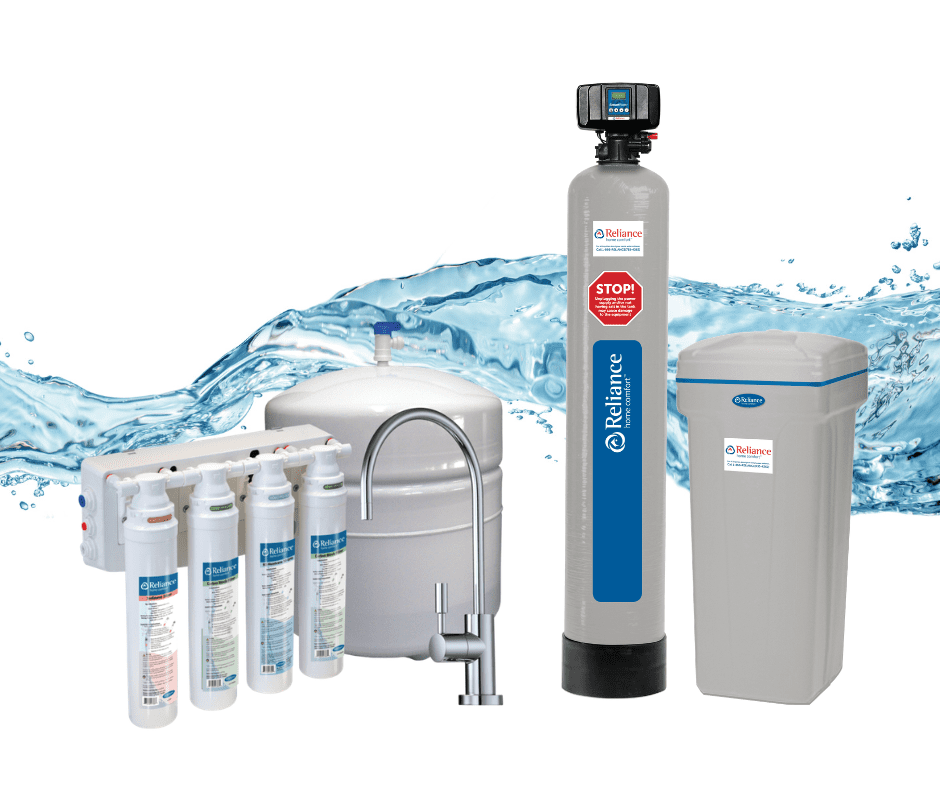
- The “Water Care Package”: UV works best when it has a team. We usually pair it with a sediment filter (to make sure particles don’t “shadow” or block the light) or a reverse osmosis system for a total solution.
Maintenance Made Simple
One of the best parts about UV systems is how quiet and low-maintenance they are. They live right where your water enters the house (the Point of Entry) or near your water heater and just do their job in the background.
All they usually need is an annual bulb replacement and a quick cleaning of the quartz sleeve to keep that light shining bright.
Why Call on Reliance for Water Purification
Navigating water treatment shouldn’t feel like a science experiment. For over 60 years, we’ve helped Canadian homeowners find the right fit for their unique water needs.
When you choose a Reliance water purification solution, you’re getting:
- Professional Installers: Our trained plumbers ensure your system is properly installed.
- 24/7/365 live phone support: Reach a real person whenever you have a question.
- As-soon-as same-day repairs: When something goes wrong, we work to get to you fast.
- Total Peace of Mind: With our rental plans, we even deliver your replacement reverse osmosis filters to your door every year.
Ready to see if UV is the right sidekick for your home? We’re here to help your water work better for you. Book your complimentary in-home water assessment today or give us a call.
See It in Action
UV Water Filter FAQs
What does a UV water filter do?
A UV water filter uses ultraviolet light to disrupt the DNA of certain microorganisms in your water, including select bacteria and viruses, so they cannot reproduce. It does this without adding chemicals and without changing the taste or pH of your water.
Do I need a UV water filter if I’m on city water?
No. UV light is only recommended for customers on well water. If your water comes from a municipal supply, a UV system is generally not required.
Does a UV system remove sediment or minerals?
No. A UV system is designed to neutralise certain microorganisms, not to remove sediment, minerals or dissolved solids. That’s why UV is typically paired with a sediment filter or a reverse osmosis system for a more complete solution.
Where is a UV water system installed?
UV systems are installed at the Point of Entry where your water enters the house, or near your water heater, so all the water flowing into your home is treated.
Check out our latest Water Purification offers here!
See Latest OffersRelated Articles