


You may need water purification at your cottage if your water comes from a private well, lake, river, cistern, or another non-municipal source. Cottage water does not always go through the same treatment and monitoring as municipal water, so the right next step is to understand your water source and test the water before choosing a purification system.
The need for cottage water purification depends on what is actually in the water. Reddish stains may point to iron. A rotten egg smell may be related to sulphur compounds. Water that sits unused between visits may also taste, smell, or look different when the cottage is reopened. However, not every water concern is visible, and not every visible issue requires the same solution.
This article is written for cottage owners who are trying to understand whether they have a water quality issue, compare treatment options, and reduce risk before booking an assessment. It explains what to check first, how different purification systems are typically used, and what homeowners often overlook when choosing a system for a seasonal property.
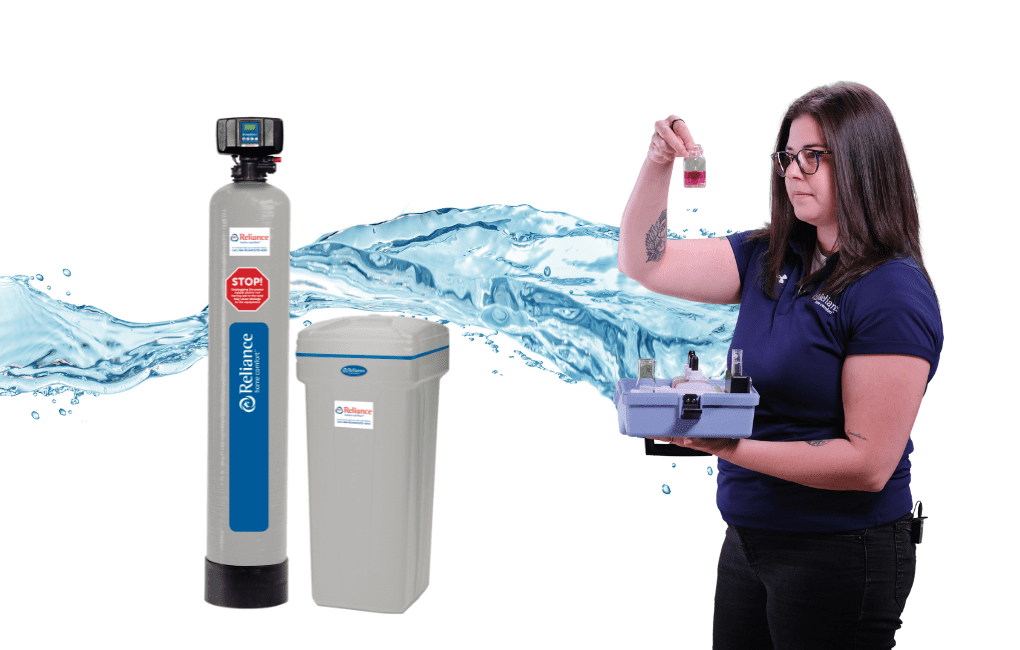
In this video: Ask Reliance explains why cottage water may need a different approach than city water, including signs like reddish staining, rotten egg odours, and when options such as iron filtration, UV treatment, or reverse osmosis may be considered.
Quick answer: If your cottage uses a private water source, test the water first. The right purification system depends on the water source, test results, seasonal use, available space, and whether the concern affects every fixture or only drinking water at one tap.
What should I know first about cottage water purification?
Cottage water purification is not a single product decision. It is a water source decision, a seasonal use decision, and a plumbing setup decision.
A year-round home connected to municipal water is different from a cottage that uses a private well, draws from a lake, or relies on a cistern. Cottage water may also sit unused for days, weeks, or months. When water is left standing in plumbing lines, filters, pressure tanks, or fixtures, homeowners may notice odours, discolouration, or changes in taste when the cottage is opened again.
Canadian government resources note that private well owners are responsible for monitoring and maintaining their own water quality. Federal guidance also explains that drinking water should be tested regularly when it comes from an individual source, such as a well, lake, or river.
The most important thing to know is this: the symptom does not always tell you the solution. A stain, smell, or taste can help guide the conversation, but water testing and an assessment of the cottage setup are what help determine the right approach.
Why is cottage water different from water at home?
Cottage water is often different because the source, treatment, and usage pattern are different.
Many primary homes are connected to municipal systems that are treated and monitored before water reaches the home. Many cottages are not. A cottage may use groundwater from a private well, surface water from a lake or river, or stored water from a cistern. Each source can have different considerations.
Groundwater can naturally pick up minerals as it moves through soil and rock. Surface water can be affected by weather, runoff, seasonal changes, and nearby activity. Cistern water depends on the source of the delivered or collected water and the condition of the storage system. A seasonal cottage can also have long periods when the plumbing is not used, which may affect how water looks, smells, or tastes when the system is turned back on.
That is why a cottage water purification system should be selected based on the specific property, not a generic cottage checklist.
What cottage water signs should I pay attention to?
Some cottage water issues are easy to notice. Others cannot be confirmed by sight, smell, or taste. If you notice a change in your water, it is worth taking it seriously and arranging appropriate testing before choosing equipment.
| What you notice | What it may suggest | Why testing still matters |
|---|---|---|
| Reddish, orange, or brown stains in sinks, toilets, tubs, or laundry | Iron may be present in the water. | The type and level of iron can affect which treatment approach may be suitable. |
| A rotten egg smell | Sulphur compounds may be involved. | The odour may come from the water source, plumbing, or hot water equipment, so the cause should be narrowed down. |
| Cloudy water or visible particles | Sediment or other particles may be present. | Particles can affect water appearance and may also influence whether pre-filtration is needed before other treatment equipment. |
| Water tastes different after the cottage has been closed | Seasonal stagnation or changes in the water source may be contributing. | A water test helps separate a temporary opening issue from a treatment need. |
| No visible issue, but the cottage uses a private source | The water may still need routine testing. | Some water quality concerns cannot be confirmed by appearance, smell, or taste alone. |
Should I test cottage water before installing a purification system?
Yes. Cottage water should be tested before choosing a purification system. Testing helps identify what is present in the water so the system can be matched to the actual issue.
Federal guidance recommends regular testing for private wells, including testing for microbial contamination. Government of Canada information also explains that water testing is especially important after heavy rain, flooding, drought, repairs, changes in land use nearby, a change in water colour, taste, or smell, or after a well has not been used for a long period.
For cottage owners, that last point matters. A seasonal property may sit unused for long stretches, especially over winter. Testing after reopening the cottage can provide a clearer picture of whether the water system is ready for use and whether treatment should be considered.
How do I decide which cottage water purification system I need?
The right cottage water purification system depends on the water source, test results, plumbing layout, available space, and how the cottage is used. A system that makes sense for a year-round well-water property may not be the right fit for a small seasonal cottage with limited utility space.
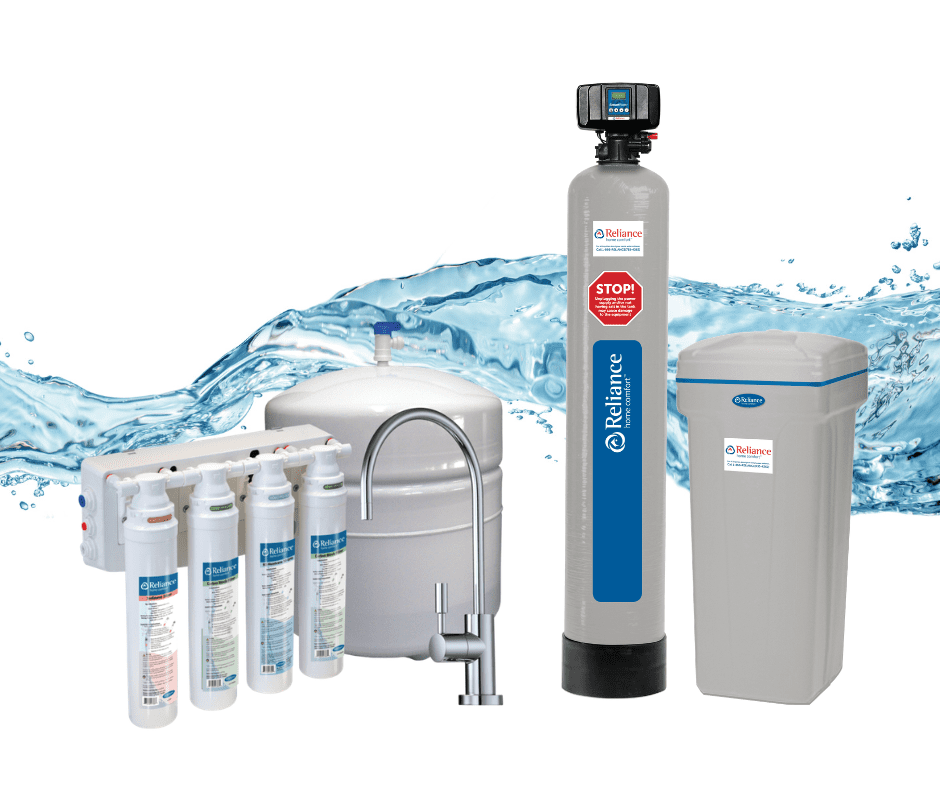
Common cottage water treatment options include iron filtration, sulphur odour treatment, UV systems, reverse osmosis, and sediment filtration. These systems solve different problems, and they are often used in different places in the plumbing system.
Iron filtration for reddish staining
Iron filtration may be considered when testing or assessment shows that iron is contributing to reddish, orange, or brown staining. Iron can affect the appearance of fixtures, toilets, tubs, and laundry. The treatment approach can vary depending on the type and amount of iron present.
Sulphur odour treatment for rotten egg smells
If cottage water smells like rotten eggs, sulphur compounds may be involved. The source of the smell should be assessed before selecting equipment because the odour may be linked to the water source, plumbing, or hot water equipment. The best treatment option depends on where the issue is coming from.
UV systems for select microorganisms
A UV system uses ultraviolet light as part of a water treatment setup. In some applications, UV treatment can be used for select microorganisms when the system is properly selected, installed, and maintained. Water clarity matters because particles in the water can affect how UV light reaches the water passing through the system. For that reason, pre-filtration may be part of the setup.
Reverse osmosis for drinking water at a dedicated tap
Reverse osmosis, often called RO, is commonly used for drinking water at a specific tap, such as a kitchen sink. An RO system is usually a point-of-use solution rather than a whole-cottage solution. It may be considered when a homeowner wants additional filtration for water used for drinking, cooking, or filling a kettle.
Sediment filtration for particles and water clarity
Sediment filtration may be used when water contains visible particles or when other equipment needs clearer water to operate as intended. Sediment filtration does not solve every water issue, but it can be an important part of a broader water treatment setup.
What do cottage owners often overlook before buying a water system?
Cottage owners often focus on the water symptom first, such as stains or odours. That is understandable, but several practical details can affect which system is appropriate.
Seasonal use and shutdown
A cottage that is closed for part of the year may need equipment that fits the way the property is opened, shut down, drained, or winterized. Seasonal use can affect maintenance planning and the location of equipment.
Available space
Many cottages have smaller mechanical rooms, crawlspaces, utility areas, or under-sink spaces than a primary home. Some systems are compact, but space, drainage, power access, and service access still matter.
Point-of-entry versus point-of-use treatment
A point-of-entry system treats water as it enters the cottage. A point-of-use system treats water at a specific tap. A homeowner concerned about staining may need a different setup than a homeowner who only wants additional filtration for drinking water.
Water clarity before UV treatment
UV treatment may require pre-filtration if particles are present. This is one reason water testing and system assessment are important before deciding on equipment.
The source of the problem
A rotten egg smell, metallic taste, or staining does not always come from one cause. The water source, pressure tank, plumbing, hot water equipment, and seasonal stagnation can all affect what a homeowner notices at the tap.
How does cottage water source affect the purification decision?
The water source is one of the biggest factors in deciding whether a cottage needs water purification and which system may be suitable.
| Water source | What homeowners should consider | Possible treatment conversation |
|---|---|---|
| Private well | Well water may contain naturally occurring minerals and should be tested regularly. | Iron filtration, sulphur odour treatment, UV treatment, sediment filtration, or reverse osmosis may be discussed depending on test results. |
| Lake or river | Surface water can be affected by seasonal changes, weather, runoff, and nearby activity. | Filtration and treatment needs should be assessed carefully based on source water quality and intended use. |
| Cistern | Water quality depends on the water source, delivery or collection method, and storage conditions. | Testing, storage condition, filtration, and point-of-use drinking water options may be considered. |
| Municipal cottage connection | Some cottages are connected to a municipal system, but plumbing, taste, or fixture concerns may still lead homeowners to ask about filtration. | A drinking water filter, reverse osmosis, or other point-of-use option may be discussed based on homeowner preference and water quality concerns. |
Do small cottages need different water purification systems?
Small cottages do not always need different types of purification systems, but they often need a more thoughtful setup. Limited space, seasonal access, winterization, and simpler plumbing layouts can all affect the system recommendation.
For example, a compact reverse osmosis system at a kitchen tap may make sense for a homeowner focused on drinking water. A whole-cottage system may be more relevant when the concern affects every fixture, such as staining, odour, or sediment. The right setup depends on the water issue and how the cottage is used.
When can Reliance help with cottage water purification?
Reliance® can help when you want to understand which cottage water purification options may fit your water source, test results, plumbing setup, and available space. A knowledgeable Home Comfort Advisor can walk through your concerns, explain common treatment approaches, and help you compare options without assuming that one system fits every cottage.
Reliance has been helping homeowners for over 60 years. We also offer next-day installation, as-soon-as same-day repairs including holidays, and 24/7/365 phone support. Availability, timing, products, and service options can vary by location, home setup, and water conditions.
What is the best next step if I am unsure about my cottage water?
If you are unsure whether your cottage needs water purification, start by identifying your water source and arranging appropriate water testing. Then review the results before choosing equipment.
If your water test results, visible stains, odours, or seasonal opening issues point to a concern, a Reliance Home Comfort Advisor can help you understand which options may be appropriate for your cottage. The goal is to match the system to your water, your space, and the way you use the property.
Book a water treatment conversation with Reliance to review cottage water purification options that may fit your water source and cottage setup.
Frequently asked questions about cottage water purification
Do I need water purification at my cottage?
You may need water purification at your cottage if your water comes from a private well, lake, river, cistern, or another non-municipal source. The best first step is to test the water and choose a system based on the results, the water source, and the cottage setup.
Why does my cottage water smell like rotten eggs?
A rotten egg smell in cottage water may be related to sulphur compounds. The source of the smell can vary, so the water source, plumbing, and hot water equipment should be considered before choosing a treatment system.
What causes reddish stains in cottage sinks and toilets?
Reddish, orange, or brown stains in cottage sinks, toilets, tubs, or laundry may be related to iron in the water. Water testing can help determine whether iron is present and which treatment approach may be suitable.
Can a UV system be used for cottage water?
A UV system can be part of a cottage water treatment setup. In some applications, UV treatment can be used for select microorganisms when the system is properly selected, installed, and maintained. Water clarity and pre-filtration may affect whether UV treatment is appropriate.
Is reverse osmosis useful at a cottage?
Reverse osmosis can be useful at a cottage when a homeowner wants additional filtration for drinking water at a dedicated tap. It is commonly installed as a point-of-use system, such as under a kitchen sink.
Should I test cottage water after opening for the season?
Testing cottage water after opening for the season can be a helpful step, especially if the water system has not been used for a long period or if there are changes in taste, smell, or colour.
Is a whole-cottage system always better than an under-sink system?
A whole-cottage system is not always better than an under-sink system. The right choice depends on whether the concern affects every fixture or only drinking water at one tap.
Check out our latest Water Purification offers here!
See Latest OffersRelated Articles