


Last updated: May 2026
The most effective ways to improve your home’s heating and cooling go beyond basic filter changes and thermostat adjustments. Uneven temperatures between floors, an AC that runs all day without reaching your set temperature, and rooms that never feel right are usually caused by airflow problems, not equipment failures. Understanding how your system actually distributes air, and what disrupts that process, is the difference between living comfortably and constantly adjusting your thermostat.
Most HVAC advice online tells you the same thing: change your filter, seal your windows, buy a smart thermostat. That advice isn’t wrong, but it’s incomplete. It doesn’t explain why your second floor is always five degrees warmer than your main floor, or what it means when your air conditioner starts turning on and off every few minutes.
This guide goes deeper. It covers what HVAC technicians actually see when they walk into homes, the mistakes that lead to the most service calls, and the things you can do yourself that genuinely make a difference.
Why Your Second Floor Is Always Hotter Than Your First
Heat rises. That part is obvious. But the reason your second floor stays uncomfortably warm while your main floor feels fine usually has less to do with physics and more to do with how your ductwork was designed.
Most forced-air systems in Canadian homes use a single-zone setup, meaning one thermostat controls the temperature for the entire house. The thermostat is almost always on the main floor. Once it reads the set temperature, it tells the system to stop, even if the second floor is still several degrees warmer.
Here’s what actually helps:
- Partially close main-floor supply registers to redirect more conditioned air upstairs. This is one of the few situations where adjusting registers makes sense, but it requires balance. Close them too much and you restrict total airflow, which creates other problems.
- Check whether your return air vents are only on one floor. If all your return vents are on the main floor, warm air on the second floor has no efficient path back to the system. A technician can assess whether adding a return vent upstairs would help.
- Run the fan in “on” mode instead of “auto.” In auto mode, the fan stops when the system cycles off. Switching it to “on” keeps air circulating between floors continuously, which helps even out temperatures. This does not increase heating or cooling output, it simply moves air that is already conditioned.
If you have tried all of this and the problem persists, the issue may be undersized ductwork to the second floor, poor attic insulation allowing heat gain from above, or a system that was not sized correctly for the home. These require a professional assessment.
What It Means When Your AC Runs All Day
There is a common assumption that if your air conditioner is running constantly, something is broken. That is not always the case.
On extremely hot days, particularly when outdoor temperatures climb above 30°C, a properly sized air conditioner may run continuously and still struggle to reach your set temperature. This is normal. Air conditioners are typically sized to cool a home effectively during average summer conditions, not during the most extreme heat events of the year. If your system keeps the home within a few degrees of your set temperature on the hottest days, it is likely doing its job.
However, if your AC runs all day during moderate weather (20 to 25°C) and still cannot maintain temperature, that points to a real problem. Common causes include:
- A dirty or clogged furnace filter. Your air conditioner relies on your furnace blower to push cooled air through the home. A restricted filter reduces airflow across the evaporator coil, which reduces cooling capacity. This is the number one cause of underperformance that technicians see, and the easiest to fix.
- Low refrigerant. If your system is low on refrigerant, it cannot absorb enough heat from indoor air. You may notice the air coming from your vents feels cool but not cold. Refrigerant does not get “used up.” If levels are low, there is a leak that needs to be found and repaired.
- A frozen evaporator coil. If you see ice forming on the refrigerant line (the copper pipe running from your outdoor unit to the indoor unit), shut the system off and let it thaw completely before turning it back on. This is usually caused by restricted airflow from a dirty filter or low refrigerant.
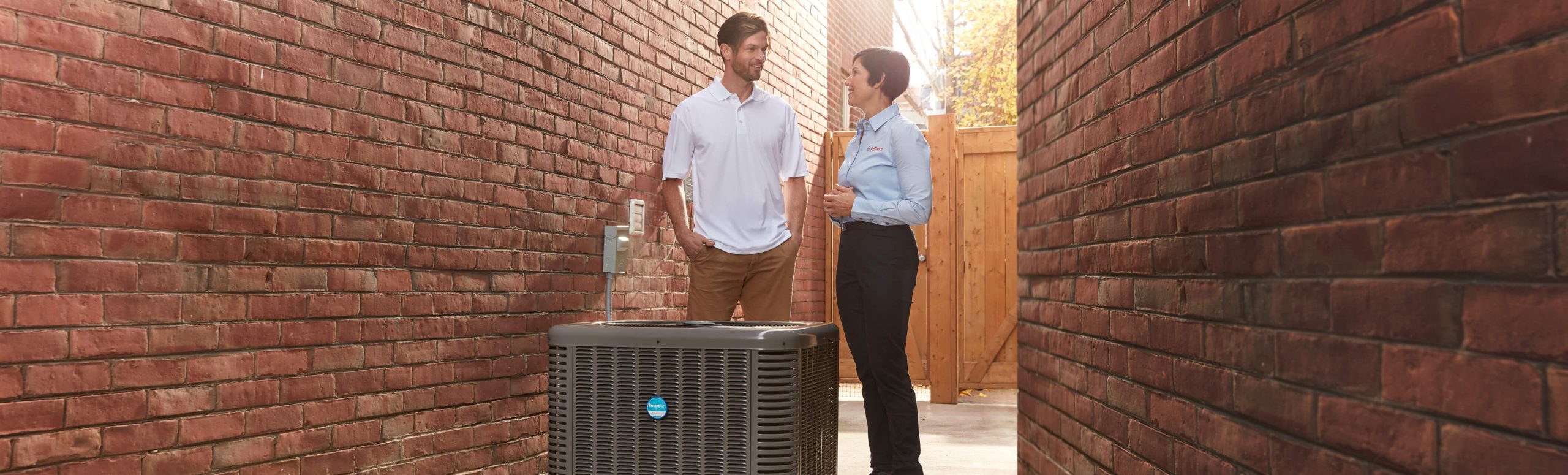
- An outdoor unit that cannot reject heat. Your condenser (the outdoor unit) needs clear space around it to exhaust warm air. If it is surrounded by shrubs, debris, or sitting against a fence, it cannot do its job efficiently. Keep at least 60 cm of clearance on all sides.
If none of these apply and your system still underperforms in moderate weather, it may be undersized for your home. Proper sizing is based on a load calculation, not square footage alone.
Short Cycling: The Problem Most Homeowners Don’t Recognize
Short cycling is when your furnace or air conditioner turns on, runs for only a few minutes, shuts off, and then starts up again shortly after. It repeats this pattern throughout the day.
Many homeowners do not notice it because the house still feels reasonably comfortable. But short cycling is hard on your equipment. Every startup draws significantly more energy than sustained operation, and the constant on-off cycle accelerates wear on the compressor (for cooling) or the heat exchanger (for heating).
Common causes of short cycling include:
- An oversized system. Equipment that is too large for the home cools or heats the space so quickly that it satisfies the thermostat before completing a full cycle. This is more common than most people realize, especially in homes where the original equipment was replaced with a larger unit under the assumption that bigger means better.
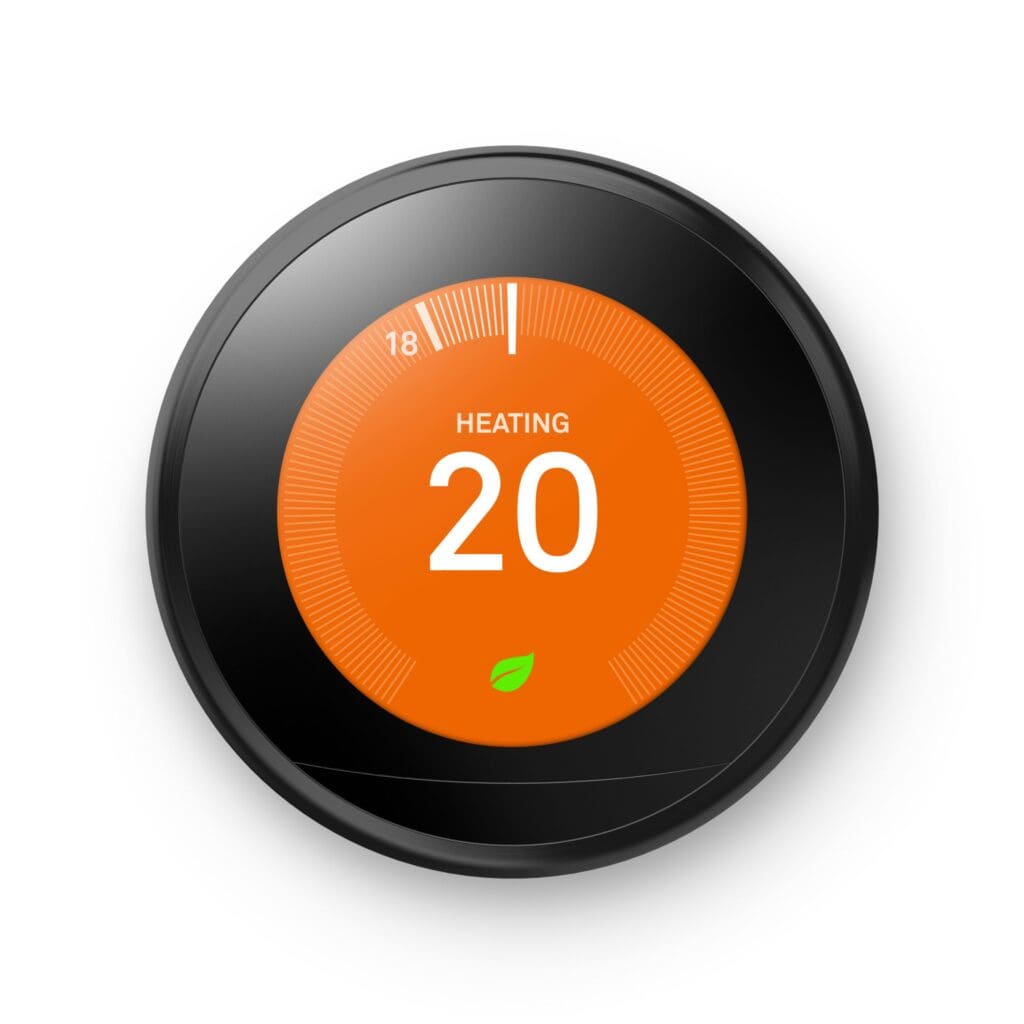
- A thermostat in a bad location. If your thermostat is near a heat source (a sunny window, a kitchen, a vent), it reads a temperature that does not represent the rest of the house, causing the system to cycle prematurely.
- A dirty flame sensor (furnaces). The flame sensor confirms that the burner is lit. When it gets dirty, it fails to detect the flame and shuts the furnace down as a safety measure. The furnace then tries to restart, creating a short cycle pattern. This is a common and inexpensive fix for a technician.
If your system turns on and off more than three to four times per hour in moderate weather, something is likely wrong.
Your Furnace Filter Affects Your Air Conditioner More Than You Think
Most homeowners think of the furnace filter as a heating season concern. In reality, it is just as important during cooling season because your air conditioner uses the same blower motor and ductwork as your furnace.
When the filter is clogged, airflow across the evaporator coil drops. Less air moving over the coil means less heat is absorbed from your home. The coil temperature drops below freezing, moisture on the coil turns to ice, and airflow drops even further. Left unchecked, this can lead to a complete system shutdown and potentially damage the compressor.
Check your filter at least every three months. If you have pets, run your system frequently, or live in an area with construction or high pollen counts, check it monthly.
One thing to keep in mind: not all filters are equal, and a higher-rated filter is not always better. Filters with very high MERV ratings (13 and above) capture smaller particles but also restrict more airflow. If your system was not designed for a high-MERV filter, using one can actually reduce performance. Check your equipment manual or ask your technician which rating is appropriate for your system.
The Duct Leakage Problem Nobody Talks About
According to Natural Resources Canada, duct leakage in a typical home can account for 20 to 30 percent of the air your system produces. That means up to a third of the air you are paying to heat or cool may never reach the rooms it was intended for.
Leaks usually occur at joints and connections, especially in unfinished basements, crawl spaces, and attics where ducts are exposed. Signs of duct leakage include:
- Rooms that are consistently harder to heat or cool than others
- Excessive dust, even after changing your filter
- Higher than expected energy use with no obvious explanation
- Visible gaps or disconnected sections in exposed ductwork
You can seal minor leaks yourself with aluminum foil tape (not standard duct tape, which deteriorates quickly). For a full duct assessment and professional sealing, a technician can identify where the biggest losses are occurring.
When DIY Tips Stop Working
The tips above can make a real difference. But there are situations where the problem is beyond what any homeowner should try to fix on their own. Call a technician if you notice any of the following:
- Ice on the refrigerant line or outdoor unit that returns after thawing. This indicates a refrigerant leak or a persistent airflow problem that needs diagnosis.
- A burning smell or unusual odour when your furnace or AC starts up. A brief dusty smell at the start of the season is normal. Anything persistent, chemical, or electrical is not.
- Water pooling around your furnace or indoor unit. This usually means a blocked condensate drain, which can lead to water damage if ignored.
- Your system trips the circuit breaker repeatedly. This is a sign of an electrical issue and should not be reset and ignored.
- Banging, grinding, or squealing noises. These point to mechanical problems with the blower motor, fan, or compressor.
- Your furnace has been red-tagged by a technician. A red tag means a safety issue has been identified, most commonly related to the heat exchanger or venting. Do not operate the furnace until the issue is resolved.
Schedule Professional Tune-Ups Every Year
Even with good maintenance habits at home, your heating and cooling equipment benefits from a professional inspection at least once a year. Schedule an air conditioner tune-up in early spring before the summer heat arrives, and a furnace tune-up in the fall before heating season begins.
A trained technician can identify issues that are invisible to homeowners, including early-stage refrigerant leaks, cracked heat exchangers, electrical connection degradation, and blower motor wear. Catching these early is almost always less expensive than dealing with a full breakdown.
At Reliance, our technicians are available to service your system year-round. Whether you need a one-time tune-up or the ongoing peace of mind of a maintenance protection plan, we are here to help.
Book your tune-up today | Learn more about air conditioners
Frequently Asked Questions
Why is my second floor always hotter than my main floor?
In most Canadian homes, a single thermostat on the main floor controls the entire system. Once it reads the set temperature, the system stops, even if the second floor is still warmer. Running your fan in “on” mode instead of “auto,” partially closing main-floor supply registers, and checking whether you have return air vents on the second floor can all help. If the problem persists, the issue may be undersized ductwork or poor attic insulation.
Is it normal for my air conditioner to run all day?
On very hot days above 30°C, yes. Air conditioners are sized for average summer conditions, not peak heat. If your system keeps the home within a few degrees of your set temperature during extreme heat, it is working as intended. If it runs constantly during moderate weather and cannot maintain temperature, the problem is likely a dirty filter, low refrigerant, or a frozen evaporator coil.
What is short cycling and should I be concerned?
Short cycling is when your system turns on, runs for only a few minutes, shuts off, and restarts shortly after. It increases energy use and accelerates wear on major components. Common causes include an oversized system, a thermostat in a bad location, or a dirty flame sensor. If your system cycles more than three to four times per hour in moderate weather, have it inspected.
How often should I change my furnace filter?
Check your furnace filter at least every three months. If you have pets, allergies, or a particularly dusty home, check it monthly. A clogged filter restricts airflow and reduces your system’s ability to heat and cool effectively. Keep in mind that higher-MERV filters are not always better. If your system was not designed for a high-MERV filter, it can actually reduce performance.
Should I close vents in rooms I don’t use?
Generally no. Your system produces the same volume of air whether vents are open or closed. Closing vents increases internal pressure, strains the blower fan, and can cause the evaporator coil to freeze. The one exception is partially closing main-floor registers to redirect more air to a warmer second floor, but this requires careful balancing.
How do I know if my ducts are leaking?
Signs of duct leakage include rooms that are consistently harder to heat or cool, excessive dust even after changing your filter, and visible gaps or disconnections in exposed ductwork. Duct leakage in a typical home can account for 20 to 30 percent of conditioned air loss. Minor leaks can be sealed with aluminum foil tape, but a professional assessment is recommended for a thorough fix.
When should I call a technician instead of troubleshooting myself?
Call a professional if you notice ice on the refrigerant line that returns after thawing, a persistent burning or chemical smell, water pooling around your indoor unit, a system that repeatedly trips the circuit breaker, or any banging, grinding, or squealing noises. These indicate issues that require trained diagnosis and repair.


Check out our latest Air Conditioners offers here!
See Latest OffersRelated Articles