


TL;DR
Winter in Canada can be harsh, with snow, ice, and sub-zero temperatures, making it essential to have a reliable and efficient heating system. This guide helps homeowners choose the right furnace or heating solution for their home, whether it’s a single-stage, two-stage, or modulating furnace, a heat pump, or a boiler.
Learn how to:
-
Compare furnace types and fuel options (gas, propane, oil, or electric).
-
Decide whether to rent or buy your heating system.
-
Properly size and install your furnace for maximum comfort and efficiency.
-
Maintain your equipment, filters, and humidifiers to prevent costly breakdowns.
-
Save energy and potentially reduce heating costs with smart thermostats and other upgrades.
Use this guide to make informed decisions, prepare your home for winter, and keep your family warm while optimizing energy efficiency.
Are you ready for winter? In Canada, we know the importance of making sure your home is ready for the extreme wind, snow, ice and sub-zero temperatures our winters can bring.
Winter preparedness starts with understanding your heating needs, your home’s layout, insulation, and the type of system that will perform best in cold Canadian climates.
Is Your Home Winter-Ready?
In Canada, harsh winters with extreme wind, snow, and sub-zero temperatures make it crucial to prepare your home with the right heating system.
Key signs that your home may not be winter-ready include uneven heating, high energy bills, frequent repairs, or a furnace older than 15 years.
Why It Matters:
Staying warm and comfortable all winter long begins with selecting a heating system that’s efficient and reliable. Whether you’re upgrading your furnace, considering a furnace repair, or looking to reduce energy costs, this guide provides essential information to help you make informed decisions about your home heating.
Understanding how different furnace technologies work and their compatibility with your existing ductwork or alternative heating solutions is essential for long-term comfort and energy efficiency.
What You’ll Learn:
- How to choose the best furnace or heating system for your specific needs.
- Tips for maintaining your heating equipment for peak efficiency.
- Ways to save on energy bills this winter. Start preparing your home today with our expert tips and insights on finding the ideal heating solution for your winter comfort.
- You’ll also learn about furnace sizing, AFUE ratings, fuel type considerations, cost ranges, and how to spot potential issues before they become expensive repairs.
10 Questions This Guide Will Answer

Buying a New Heating System: Where to Start?
Choosing between buying or renting a new home heating system doesn’t have to be overwhelming. Whether you are replacing a 30-year-old furnace or upgrading to a high-efficiency heat pump, the right choice depends on your home’s construction, your budget, and your specific comfort needs.
The Precision Sizing Standard
In accordance with National Building Code (NBC) standards, every furnace we install is sized using a CSA F280-12 compliant heat-loss calculation. Unlike simple square-footage estimates, this technical assessment accounts for:
- ✔ Envelope Performance: R-value of insulation and U-factor of windows.
- ✔ Infiltration Rates: Measuring cold air gaps in the structure.
- ✔ Internal Heat Gains: Heat generated by occupants and appliances.
- ✔ Local Climate Data: Environment Canada’s 99% winter design temperatures.
Our advisors ensure your system is sized for your local climate—from the damp winters of Vancouver to the sub-zero extremes of the Prairies. This guide will help you explore:
How popular heating options actually work.
What to look for in modern heat pumps and furnaces.
Solutions to common upgrade and installation questions.
Select your heating system type:
Furnaces — What You Need to Know
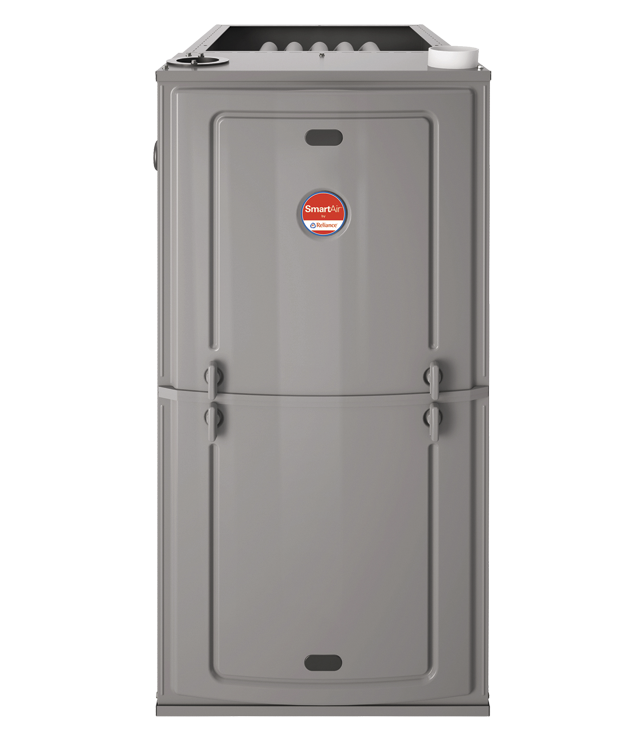
Choosing the right furnace starts with understanding your home’s unique heating needs. The best way to ensure you get the right size, type, and efficiency level is to have a trained HVAC professional assess your home. A professional consultation can help you maximize comfort, energy savings, and long-term value.
Proper sizing involves a heat-loss calculation that considers your home’s insulation, windows, ceiling height, and climate zone. Oversized or undersized units can lead to higher operating costs and uneven heating.
Ready to get started? Book an in-home consultation with a trusted Home Comfort Advisor and find the best heating solution for your home.
Furnace Types
- Available Technology
- Fueling Options
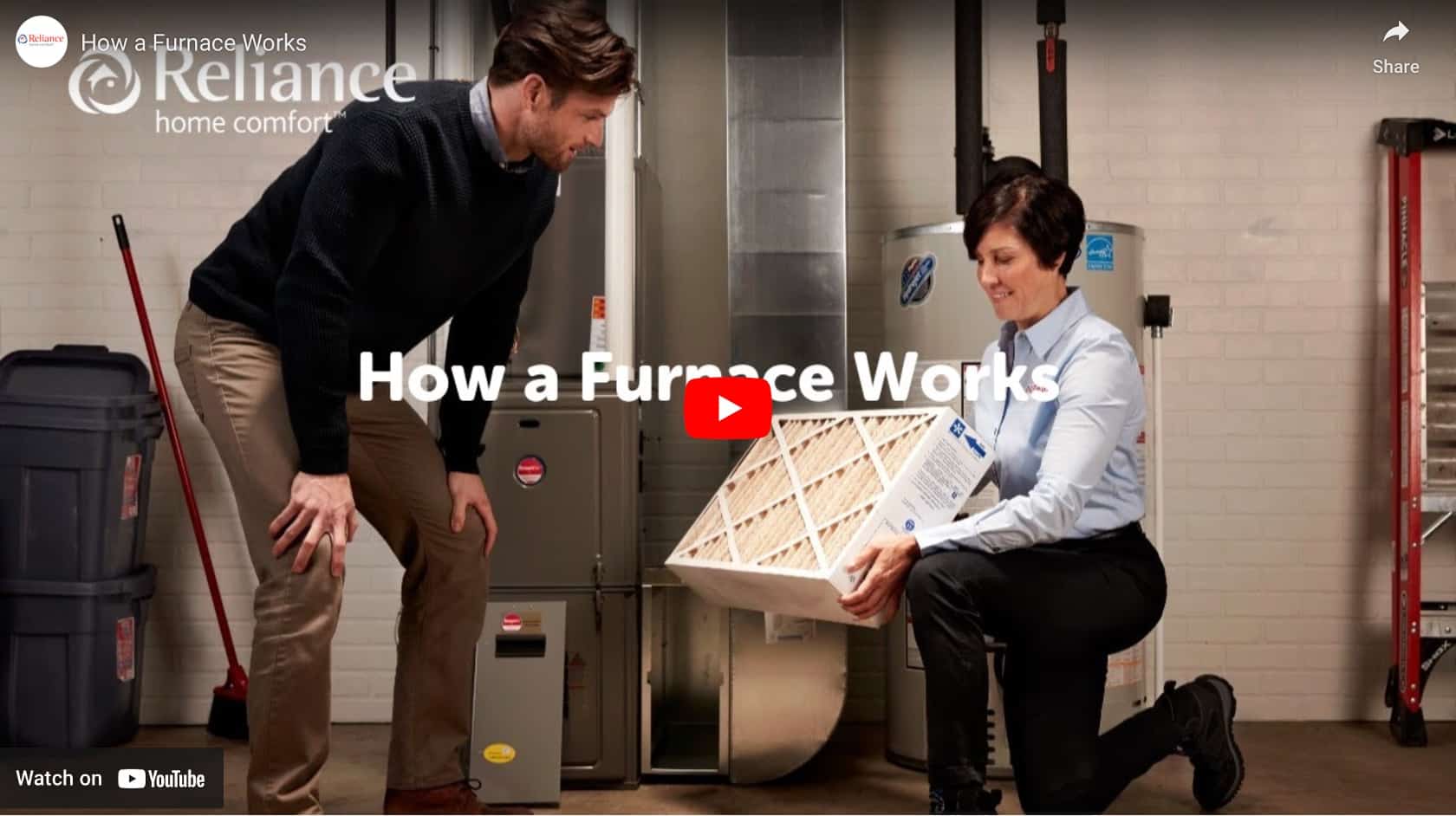
- How a Furnace Works
- Types of Furnaces: Single Stage, Two-Stage and Modulating
When choosing a new furnace, you’ll typically be deciding between three main types: single-stage, two-stage, and modulating furnaces. Each type offers reliable home heating, but they differ in how they deliver heat, their energy efficiency, and their price. The best furnace for your home will depend on your budget, comfort preferences, and efficiency goals.
Consider not only upfront cost but also long-term operational costs and compatibility with other home systems like smart thermostats or humidifiers.
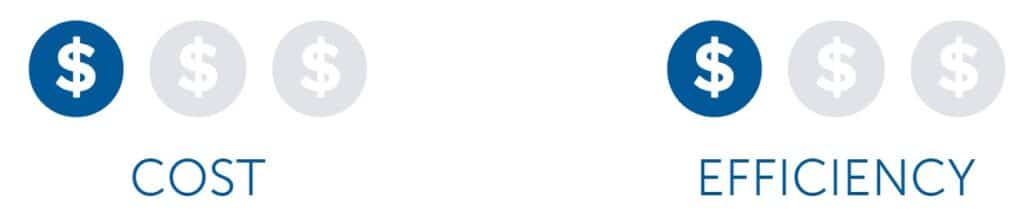
Single Stage Furnace:
Single stage furnaces are the most basic and commonly installed type of furnaces. This type of furnace only has one d setting. When on, your furnace operates at the maximum flame setting—there is no middle ground between the system being on or off.
This type of furnace often comes at a lower up-front cost but is not the most efficient option.
Single-stage furnaces are best suited for smaller homes or homes where precise temperature control is less critical. Expect more noticeable temperature fluctuations.

Two-Stage Furnace:
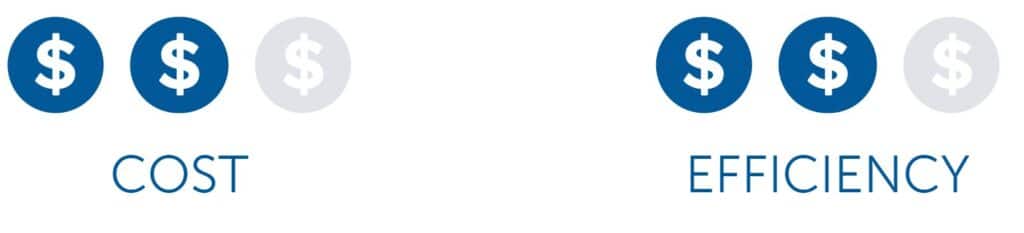
Two-stage furnaces have two different settings when your furnace is on, a high setting as well medium intensity setting to deliver a wider range of operation. This type of furnace can help to give you more temperature control in your home.
The furnaces are more expensive than the single stage options but are generally more energy efficient as there are different levels of heating available.
Two-stage furnaces are ideal for medium-to-large homes and for homeowners who want a balance between comfort and operational cost. They could reduce temperature swings and potentially improve indoor air quality by running longer, lower-speed cycles.

Modulating Furnace:
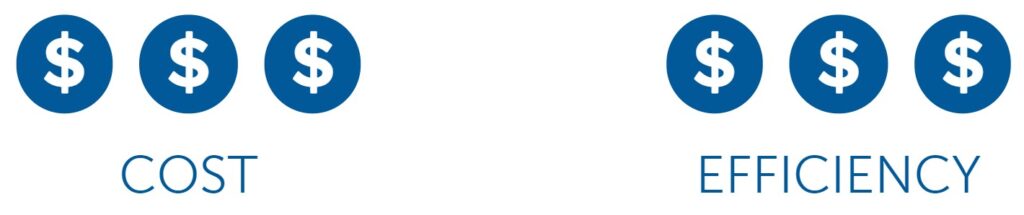
Modulating furnaces offer an advanced type of heating technology that delivers more even heating throughout your home. With a modulating furnace, the flame increases and decreases in finer increments to help maintain your home’s temperature. This reduces temperature fluctuations and helps meet your comfort needs more precisely.
Modulating furnaces are the most expensive to purchase upfront but will deliver consistent heating most efficiently.
Modulating furnaces are best for homeowners seeking precise comfort, very quiet operation, and optimized energy efficiency. These units often integrate seamlessly with smart thermostats for advanced control.

Hybrid (Dual-Fuel) Systems
Popular in BC and Ontario, these pair an electric heat pump with a gas furnace. The system automatically switches to gas during extreme cold, optimizing for the lowest utility rate in your province.
Upgrade your home comfort with our special offers
Check Out Our Offers Today!

Energy Tip
Before buying check the equipment’s Annual Fuel Utilization Efficiency or AFUE rating. The higher the AFUE is the more efficient your furnace is. As of 2026, most new gas furnaces sold in Canada must meet a minimum 95% AFUE rating. This ensures that regardless of your province, your system meets federal energy-efficiency standards.
Technology Found in Today’s Furnaces
Modern furnaces include advanced technology designed to deliver consistent comfort and operate more efficiently. Here are some of the innovations you may find in today’s models:
Understanding these technologies helps homeowners make informed decisions and avoid buying features they may not need.
Condensing Technology
A condensing furnace uses a secondary heat exchanger to capture more heat from exhaust gases before they leave the system. This process allows the furnace to make better use of the fuel it consumes and maintain high efficiency.
Electronically Commutated Motors (ECM)
An Electronically Commuted Motor (ECM) is a motor technology in forced air heating applications that works to reduce the electrical consumption of the furnace motor. This technology can reduce your furnace’s electrical consumption by as much as 60% over a standard motor. These motors work with the furnace, adjusting speed to provide adequate air flow. Less electrical consumption results in a reduction of air noise in your home.
Electronic Ignition
Modern furnaces come with electronic ignition, which is a technological advancement replacing the pilot light system. With electronic ignition, fuel is only used when it is time to start the furnace. In older technology, a pilot light would use a small amount of fuel continuously, resulting in additional energy consumption.
Intelligent Digital Electronics and Wi-Fi
New furnaces have a digital integrated control board that control all the functions related to the heating/cooling operations in your home. It controls the gas valve, the igniter, the flame sensing circuit and blower fan. The control board also communicates with standard thermostats, smart learning thermostats, air conditioners and humidifiers.
Energy Tip
Ceiling fans aren’t just for the hot summer days! Switching your fans to spin clockwise in the winter help allows the warmed air to circulate throughout your home.
Different Fueling Options
Before you purchase a new furnace, consider which fuels are available in your area. You should review advantages and disadvantages of your available energy sources.
| Fuel Source | Fuel Efficiency | Operating Cost* | Cost to Install |
|---|---|---|---|
| Gas | High | $ | $ |
| Propane | High | $$ | $ |
| Oil | Medium | $$ | $$ |
| Electric | High | $$$ | $ |
Pro Tip: Fuel availability varies significantly by province. While natural gas offers the lowest operating costs in urban centers across Ontario and the West, high-efficiency electric or propane systems are excellent alternatives for rural properties or areas without gas main access.
-
Gas Furnaces
-
Propane Furnaces
-
Oil Furnaces
-
Electric Furnaces
Natural Gas Furnaces
Gas furnaces remain the most common heating solution in Canada for a reason: they are safe, reliable, and incredibly powerful in extreme sub-zero temperatures. Modern units are highly advanced, designed to integrate seamlessly with the latest smart home ecosystems and high-efficiency cooling components.
Benefits of a Gas Furnace
- High Efficiency (AFUE): Most modern units offer 92% to 98% AFUE ratings, ensuring that nearly all the fuel you pay for is converted directly into heat for your home.
- Cost-Effective Fuel: Depending on your province, natural gas is typically a more budget-friendly fuel source than heating oil or propane.
- Straightforward Installation: For homes with existing gas lines and ductwork, installation is efficient and affordable when performed by a licensed professional.
- Extensive Model Selection: From single-stage to modulating units, there is a wide variety of models to suit any home layout or budget.
- Smart Home Integration: Modern furnaces communicate directly with smart thermostats, allowing you to optimize your comfort and energy usage from your smartphone.
Considerations of a Gas Furnace
- Regional Availability: Natural gas is highly available in urban centers, but rural properties may need to consider propane or electric heat pump alternatives.
- Ductwork Dependency: These systems require a central ductwork system to circulate warm air; they are not compatible with ductless-only homes.
- Annual Maintenance: To ensure safety and peak performance, gas furnaces require annual inspections and 24/7 monitoring support to prevent mid-winter breakdowns.
- Physical Footprint: While more compact than older models, a gas furnace still requires dedicated floor space in a basement or utility room compared to a wall-mounted split system.
Propane Furnaces
Propane furnaces are a primary choice for homeowners in rural areas where natural gas lines are unavailable. To operate, these systems connect to an external propane tank installed on your property, which is refilled by a local service provider as needed.
Benefits of a Propane Furnace
- High Efficiency (AFUE): Most new propane models offer impressive AFUE ratings of 92% to 98.5%, making them some of the most efficient combustion systems on the market.
- Widespread Availability: Propane is readily accessible across Canada, including remote or off-grid locations where other fuel sources are scarce.
- Consistent Heat: Much like natural gas, propane provides a “hotter” air discharge compared to traditional electric heat, ensuring comfort during deep freezes.
- Reliability: Because the fuel is stored on-site, you are not dependent on municipal gas line infrastructure.
Considerations of a Propane Furnace
- Operating Costs: Propane can be more expensive to operate than natural gas, though it typically remains more cost-effective than baseboard electric heating.
- Fuel Management: Homeowners must monitor tank levels and schedule refills. Selecting a provider with reliable delivery is essential for uninterrupted heating.
- On-Site Storage: Installation requires space on your property for a propane storage tank, which must meet local safety and setback regulations.
- Professional Refueling: For safety and compliance, propane tanks can only be filled and serviced by licensed, certified professionals.
Oil Furnaces
Oil furnaces are a reliable heating choice for homeowners in rural or remote areas where natural gas and propane infrastructure may be limited. While their popularity has decreased in favour of high-efficiency gas and heat pump systems, they remain a readily available fuel source across most of Canada.
Benefits of an Oil Furnace
- High Availability: Oil remains a dependable choice when other fuel options, like natural gas, are scarce or unavailable in your region.
- Extensive Network: Most regions across Canada have well-established oil delivery networks, ensuring you have access to fuel throughout the winter.
- Smart Home Compatibility: Modern oil furnace systems can be paired with smart learning thermostats, allowing you to manage your home’s temperature remotely for better energy management.
Considerations of an Oil Furnace
- Operating Costs: Oil furnaces are typically more expensive to operate than modern natural gas or propane models due to fluctuating fuel prices.
- Lower Relative Efficiency: While technology has improved, oil furnaces generally operate at a lower efficiency (AFUE) than the latest gas or heat pump alternatives.
- On-Site Fuel Storage: A dedicated storage tank must be installed on your property, which requires regular inspections to ensure safety and prevent leaks.
- Ductwork Requirements: Like other central systems, oil furnaces require a full ductwork network to circulate heat throughout the home.
- Essential Maintenance: To keep an oil system running cleanly and efficiently, regular annual maintenance and filter changes are highly recommended.
Electric Furnaces
Electric furnaces heat your home by moving air through ductwork using a powerful fan. Unlike gas, propane, or oil systems, these furnaces generate heat using electric heating elements managed by dedicated circuit breakers.
While highly reliable, the cost of operating an electric furnace can be relatively high in many Canadian regions, which often makes them a specialized choice for specific home types or areas with low electricity rates.
Benefits of an Electric Furnace
- Environmental Sustainability: When powered by clean, renewable electricity, these units contribute almost zero carbon emissions during operation.
- Simplified Installation: Because they do not produce combustion gases, a flue pipe or chimney is not required, making the installation process faster and more flexible.
- Regional Savings: In areas where electricity rates are exceptionally low, an electric furnace can be a viable and cost-effective heating solution.
- Safe and Quiet: With no fuel combustion, these systems are known for their quiet operation and enhanced indoor safety profile.
Considerations of an Electric Furnace
- Operating Costs: It is essential to understand the electricity rates in your specific region, as these units can be more expensive to run than high-efficiency gas models.
- Compare Your Options: Before investing, we recommend comparing electric furnaces against other high-efficiency electric options, such as heat pumps or electric baseboard heating.
- Expert Consultation: Our Home Comfort Advisors can help you run a cost-benefit analysis to determine if an electric furnace is the right financial fit for your home.
Upgrade your home comfort with our special offers
Check Out Our Offers Today!
The Heating Cycle: How Your Gas Furnace Works
Your thermostat monitors the indoor temperature. When it drops below your programmed setting, it sends a signal to the furnace control board requesting heat.
The control board activates the induced draft motor to clear the heat exchanger. Once a pressure switch confirms safe airflow, the igniter is activated to prepare for fuel release.
Fuel is released and burners ignite in sequence, warming the heat exchanger. A flame sensor continuously monitors this process, allowing fuel flow only while a healthy flame is present.
Once the heat exchanger reaches the target temperature, the blower fan activates. Warm air is pushed through your home’s ductwork while limit switches monitor internal temperatures for safety.
When the thermostat reaches its set temperature, it signals the control board to shut off the gas. The blower fan continues briefly to capture any remaining heat before the system rests.
Recommended Furnaces 97%+ AFUE
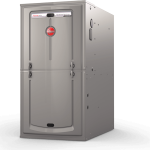
Trane XC95m
Converts up to 97% of every dollar spent on gas into heated air for your home. Many stages of heating.
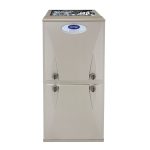
Carrier 59MN7
Converts up to 98% of every dollar spent on gas into heated air for your home. Many stages of heating.
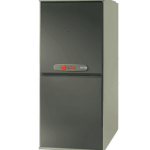
Smart Air R98V
Converts up to 98% of every dollar spent on gas into heated air for your home. Many stages of heating.
Recommended Furnaces 96%+ AFUE
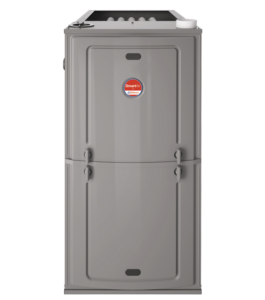
SmartAir R96V
Converts up to 96% of every dollar spent on gas into heated air for your home. 2 stages of heating.
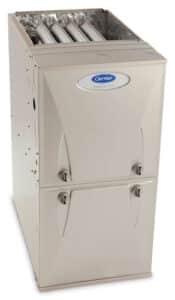
Carrier 59TP6
Converts up to 96% of every dollar spent on gas into heated air for your home. 2 stages of heating.
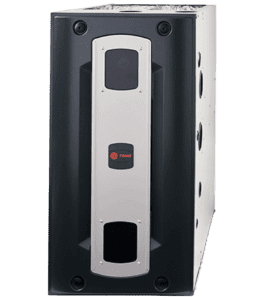
Trane: S9V2
Converts up to 96% of every dollar spent on gas into heated air for your home. 2 stages of heating.
Heat Pumps and Boilers
| Heating System | Fuel Efficiency | Operating Cost* | Cost to Install | Requires Ductwork |
|---|---|---|---|---|
| Air-source heat pump splits | Very High | $$ | $$ | No |
| Central air-source heat pump | Very High | $$ | $$$ | Yes |
| Geothermal heat pump | Very High | $ | $$$$ | No |
| Boiler | High | $ | $$ | No |
*Operating costs are based on average Canadian utility rates and equipment efficiency ratings as of 2026.
-
Air-Source Heat Pump Splits
-
Central Air-Source Heat Pump
-
Geothermal Heat Pumps
-
Boilers
Air Source Heat Pump Splits
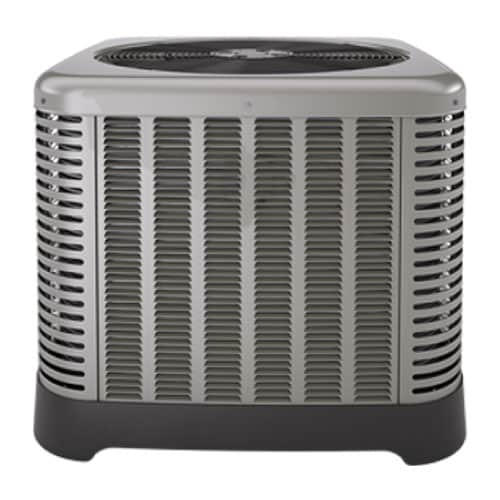
The outdoor unit resembles a slim version of a conventional air conditioning unit, while the indoor units are versatile—mounted on the ceiling, wall, or near the floor like baseboard heaters.
Benefits of an Air Source Heat Pump Split
- Expert Installation: These systems can be installed by most well-trained HVAC service experts.
- No Ductwork Required: An ideal solution for homeowners in condos or older homes where space for traditional venting is limited.
- All-Season Comfort: Provides a highly efficient, clean-energy option for both heating and cooling your home.
- Lower Operating Costs: Often more cost-effective to operate than traditional fossil fuel-based or electrical appliances.
- Incentive Eligible: Depending on your region, you may be eligible to apply for various government energy-saving incentives.
Considerations of an Air Source Heat Pump Split
- Upfront Investment: Initial installation costs for heat pump technology can be higher than traditional systems.
- Climate Performance: Older models may have limited heating capability during extreme Canadian cold snaps.
- Humidity Management: Some models may not manage indoor humidity as precisely as dedicated central systems.
- Backup Heating: A secondary heat source is often recommended to ensure comfort during peak winter temperatures.
Central Air Source Heat Pumps
Central air source heat pumps are similar to splits but rely on existing ductwork to circulate both heating and cooling air throughout the home. This system consists of an outdoor condenser and an indoor evaporator coil, providing an efficient, clean-energy option that operates much like a traditional furnace.
Benefits of a Central Air Source Heat Pump
- High Efficiency: These systems are typically very efficient, offering a low-cost operating solution for year-round comfort.
- Clean Energy Solution: They provide a sustainable, environmentally friendly alternative for both heating and cooling requirements.
- Seamless Distribution: Because they utilize ductwork, they offer a similar heating capacity and air distribution feel to a conventional furnace.
- All-in-One System: Replaces the need for a separate furnace and air conditioner by handling both loads through the same infrastructure.
Considerations of a Central Air Source Heat Pump
- Upfront Investment: As with most heat pump technology, the initial installation costs are higher than standard forced-air systems.
- Ductwork Requirements: The system requires a compatible ductwork layout; in some cases, older homes may require duct renovations to ensure proper airflow.
- Backup Heating: To ensure consistent warmth during extreme Canadian winters, a secondary backup heat source is often required.
Geothermal Heat Pumps
Geothermal systems, often referred to as ground source heat pumps, represent the top of the line in heating and cooling technology. These systems regulate your home’s temperature by transferring heat between your living space and the ground rather than the outside air.
How it works: Geothermal technology takes advantage of a fundamental principle of physics: underground temperatures remain more constant than the fluctuating outside air. Because ground temperature differentials are smaller, the heat pump operates in a much more efficient range. These systems utilize liquid-filled loops to move heat, providing a highly stable thermal environment.
Benefits of a Geothermal Heat Pump
- Unmatched Efficiency: One of the lowest operating costs of any heating and cooling system available today.
- Clean Energy: A premier sustainable option that significantly reduces your home’s carbon footprint.
- System Versatility: Works exceptionally well with hydronic and radiant floor heating systems.
- Climate Performance: Offers excellent heating and cooling performance even in extreme hot or cold Canadian climates.
- Durability & Peace of Mind: These systems tend to last longer and require less ongoing maintenance than air-source alternatives.
- Quiet Operation: Known for being relatively quiet compared to traditional outdoor units.
- Incentive Eligibility: Homeowners may be eligible for significant government grants to assist with the higher initial investment.
Considerations of a Geothermal Heat Pump
- Installation Complexity: Requires specialized engineering skills and cannot be performed by every HVAC team.
- Highest Initial Cost: Geothermal systems are typically the most expensive heating and cooling option to install upfront.
- Space Requirements: Depending on the loop configuration, the installation may require a significant amount of land area.
- Geological Constraints: Not all soil types or property layouts are suitable for ground-loop installation.
Boilers and Hydronic Heating Systems
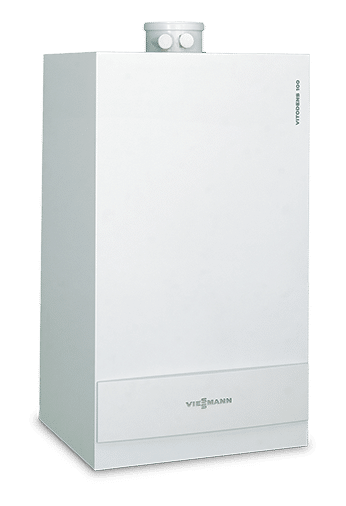
A boiler, or hydronic heating system, provides warmth by using a fuel source to heat a fluid—such as water or glycol. This heated fluid is then pumped through the system to various heat emitters, including radiators or in-floor radiant heating loops.
Combi-Units: For homeowners looking to maximize space and efficiency, a “combi-unit” is a high-performance heating source that provides both central home heating and on-demand domestic hot water from a single compact appliance.
Benefits of a Boiler System
- No Ductwork Required: Because they utilize pipes rather than vents, boilers are a primary heating solution for older homes and additions where ductwork is not present.
- Radiant Comfort: Hydronic tubing can be installed under most flooring materials, providing the luxury and consistent warmth of heated floors.
- Space-Saving Combi-Options: Selecting a combi-unit allows you to consolidate your home heating and water heating needs into one efficient system.
- Quiet Operation: Unlike forced-air systems, operational noise is confined to the boiler unit itself and typically cannot be heard throughout the rest of the home.
- Zoned Heating: Hydronic systems allow for precise “zoning,” enabling you to control the temperature of different rooms or floors independently.
Considerations of a Boiler System
- No Central Cooling: Since boilers do not use ducts, they cannot provide central air conditioning. Homeowners often pair boilers with ductless split systems for summer cooling.
- Installation Complexity: Retrofitting a boiler or in-floor heating into an existing home requires specialized plumbing and hydronic expertise.
- Response Time: Hydronic systems can take longer to “ramp up” to a desired temperature compared to the immediate blast of a forced-air furnace.
Recommended Heat Pumps
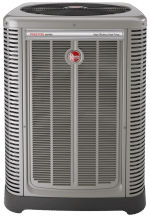
SmartAir RP20
Multi-stage heating and cooling. Pair with R96V to see how much you may qualify in rebates.
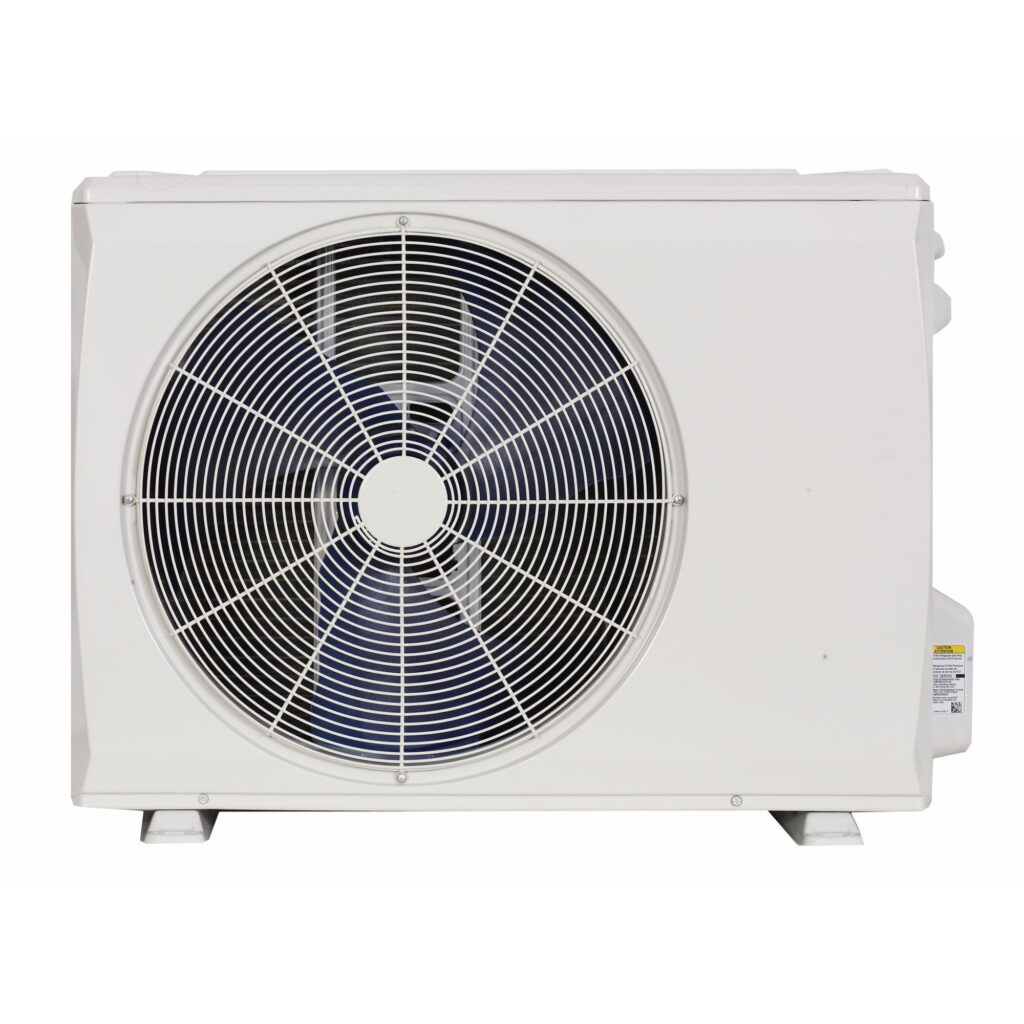
Carrier 38MARBQ
Multi-stage heating and cooling. Pair with 59TP6 to see how much you may qualify in rebates.
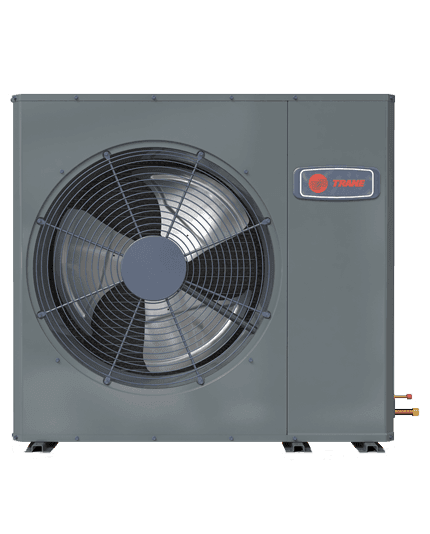
Trane: XV19
Multi-stage Pair with S9V2 or XC95m to see how much you may qualify in rebates.
Money Saver Tip
With so many rebates available, there has never been a better time to invest in a heat pump!

Getting Your New Furnace
Beyond selecting the right furnace type for you and your family, there are several other things to consider to ensure your unit is the right choice for your home and budget. Here is some information about furnace financing options, installation and accessories.
Should I rent or buy my new furnace?
One of the most important decisions when upgrading your heating equipment is choosing whether to rent or buy your system. Before making the decision, you will want to determine the equipment you are having installed, the total cost of ownership and the cost and effort of maintenance.

Need a new furnace air conditioner or hot water heater but not sure whether to rent or buy?
Regardless of your equipment needs, it’s important to know what’s right for you. Here’s what you need
to know to get started. A rental unit is a great option for a lot of homeowners as it gives peace
of mind. The repairs are always covered. Lifetime repairs and maintenance are included with your
rental so you’ll never be surprised with an unexpected repair bill. As a rental customer,
you’ll also have 24/7, 365 live telephone support and direct access to technicians
that know your equipment and have all the parts on hand to service it fast so
you never have to worry about being without heating, cooling or hot water. With rental,
you’ll also get the convenience of one low monthly payment that is easy to budget for.
Even with our most efficient units, there are no upfront equipment costs and you can take advantage
of any available government rebates. Plus, when you rent your heating or cooling system,
your annual maintenance is fully covered. That even includes the maintenance of your humidifier
and upgraded filters for optimal airflow. Buying is another great option. Buying your equipment
allows you to take advantage of special promotions or competitive financing rates so you can still
find the right equipment that fits your budget. Plus when you purchase your equipment, you’ll
still have access to Reliance’s large network of professionally trained technicians. We also
include standard parts and labour warranties on all of our equipment so that you will be covered
in the event of a faulty part or breakdown. You’ll also have the ability to keep your heating and
cooling equipment running efficiently by adding a Protection Plan to your purchase that includes
annual maintenance and allows you to avoid most unexpected repair costs. At the end of the day,
the best option is whatever suits the needs of you and your family. If you’re renting,
your unexpected repairs and annual maintenance for your furnace and AC are covered. With buying,
you’ll own your equipment and you’ll always have the option to cover repair and maintenance
costs with a Protection Plan after your warranty period. Whichever you choose,
you can Call on Reliance™ and schedule a time with our trusted Home Comfort Advisors. Our
Advisors will take the time to assess your needs and help you make the right decision.
| Feature | Buying | Renting |
|---|---|---|
| Initial Cost | Upfront cost of the system and installation. | $0 Upfront cost – affordable monthly payments. |
| Rebates & Promos | Eligible for government mail-in rebates and special promotions. | Eligible for government mail-in rebates and special promotions. |
| Property Value | May add to the overall resale value of your property. | Provides peace of mind for the next homeowner with transferable service. |
| Maintenance | Homeowner is responsible for all maintenance and repairs. | Full coverage for maintenance and most repair costs. |
| Included Service | Maintenance plans available for purchase separately. | Annual service, filters, and humidifier pads are included. |
*Rental terms and conditions apply. Contact a Home Comfort Advisor for current rates in your area.
Energy Tip
When you are selecting a new furnace check to see if it is ENERGY STAR® rated to make sure you are getting an energy efficient option.
Should I Buy My Furnace and Air Conditioner Together?
Your furnace plays an essential role in keeping your home warm, but it is also the “engine” that runs your air conditioner in the summer. When it comes time to replace an aging furnace, upgrading your AC at the same time ensures your entire HVAC system is balanced, efficient, and built to last.
Maximize Energy Efficiency
Anytime you upgrade outdated equipment, you are investing in a more efficient home. By replacing both units simultaneously, you ensure that both the heating and cooling components meet modern SEER2 and AFUE standards, maximizing your long-term energy savings.
Optimized Equipment Performance
Because your furnace blower motor and AC evaporator coil work in tandem, pairing a new furnace with an old AC (or vice versa) can prevent the newer unit from reaching its full potential. A “matched system” ensures optimal airflow and prevents unnecessary wear and tear on your components.
Significant Potential Savings
Furnaces and air conditioners are often sold as a bundle, which can unlock exclusive manufacturer discounts or promotional rebates. Additionally, having both units installed during a single visit typically results in lower labour and installation costs compared to two separate appointments.
Energy Tip
A furnace that has been professionally sized by a licensed technician will run more efficiently than an incorrectly sized unit.

that you have an expert team installing your system. For your equipment to work at an optimal
level, your installation must be done correctly. At Reliance, our professional and licensed
installation teams provide excellent and reliable service to get your new system up and running. Our
installers arrive with all the parts and equipment required to get the job done efficiently. You can
rest easy knowing that our Team mMembers are knowledgeable professionals who are committed
to a successful installation, while always being courteous and respectful of your home. During and
following your installation, our team will check in with you to confirm that you are completely
satisfied and answer any remaining questions you may have. Once the installation is complete, our
install team will tidy up the work area, conduct appropriate safety tests and walk you through the
operation of your new equipment and thermostat. To help ensure everything goes smoothly,
before the installation, you should clear out the area around your furnace or air conditioner to
make room for the install team and new equipment. Also to ensure a safe work area, please be sure
to keep any pets and small children away from the install area. If you are looking for the
right heating or cooling solution, call us today. One of our trusted Home Comfort Advisors will be
happy to schedule time with you to go through your needs and book a time to have the right
equipment installed in your home. So for all of your heating and cooling needs, Call on Reliance™.
Installing a New Furnace: Your Questions Answered
The performance of your heating system depends as much on the quality of the installation as it does on the equipment itself. Below are the most common questions homeowners ask when preparing for a furnace replacement.
Can I install a furnace myself?
Even for an experienced DIY enthusiast, installing a modern HVAC system is not recommended. Professional technicians bring specialized knowledge of local building codes, complex electronics, and venting requirements. A self-installed furnace can lead to voided warranties, inefficient operation, or significant safety risks.
What defines a quality furnace installation?
A reputable installation team does more than just swap out equipment; they ensure the system is a perfect match for your home. Key indicators of a professional installer include:
- Proper Needs Assessment: They evaluate your home’s insulation, window efficiency, and sunlight exposure rather than just matching the size of your old unit.
- Precision Sizing: They perform detailed heat-loss calculations. An oversized unit will “short-cycle” and wear out early, while an undersized unit will fail to keep you warm on the coldest days.
- Technical Expertise: They are well-versed in the latest smart home integrations and high-efficiency venting configurations.
How long does a furnace installation take?
On average, a standard furnace installation takes between a half-day and a full day. This timeframe includes the removal of the old unit, the technical installation of the new system, comprehensive safety testing, and a thorough cleanup of the workspace.
What should I expect on installation day?
Most installations are performed by a team of two professionally trained technicians. You can expect:
- Home Protection: Technicians will wear protective booties and lay down floor coverings to protect your carpets and hardwood.
- System Testing: Once installed, the team will conduct a series of tests to ensure the furnace is in sync with your thermostat and cooling systems.
- Full Cleanup: The team will remove all old equipment, parts, and packaging, leaving your utility space cleaner than they found it.
How should I prepare for the technicians?
To ensure a smooth process, please ensure the pathway to your furnace room is clear and the work area is clutter-free and well-lit. For the safety of everyone involved, we recommend keeping children and pets away from the work zone during the installation.
Money Saver Tip
A comprehensive protection plan will include your regular maintenance and cover most unexpected repair costs.
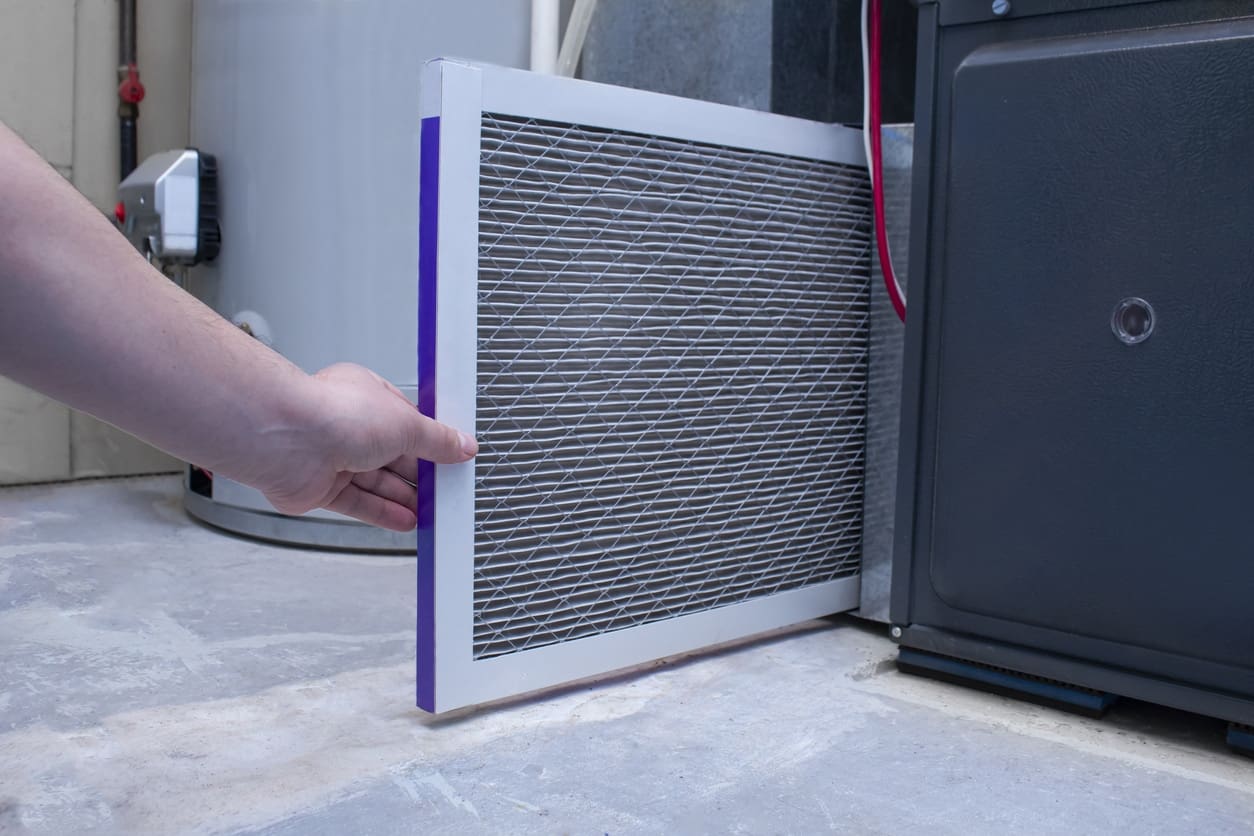
Choosing the Right Thermostat
Your thermostat is the brain of your home comfort system. From simple manual controls to advanced AI-driven communicating units, the right choice can significantly impact your monthly energy savings and equipment lifespan.
Basic Non-Programmable
Economical and straightforward, these units are best for those who prefer manual control. The temperature only changes when you physically adjust the dial or buttons.
Programmable Thermostats
These units allow you to set “schedules” for workdays vs. weekends. They help lower costs by automatically reducing heating or cooling when you are asleep or away from home.
Smart Wi-Fi Thermostats
The gold standard for modern homes. These “learning” thermostats study your habits and adjust temperatures based on occupancy and weather patterns, all controllable via your smartphone.
Communicating Wi-Fi Thermostats
Designed specifically for high-efficiency modulating furnaces. These units talk “back and forth” with your equipment to receive error codes, maintenance alerts, and ensure the system runs at its absolute peak performance.
Enhancing Indoor Air Quality: Whole-Home Humidifiers
The Winter Challenge
Canadians spend approximately 90% of their time indoors during the winter. When your furnace heats outdoor air, the relative humidity drops significantly. This “dry air” makes your home feel colder than it actually is, often leading you to turn up the thermostat—increasing your energy bills without actually improving your comfort.
A whole-home humidifier works directly with your HVAC system to introduce moisture into the air before it circulates through your ducts, ensuring every room reaches the ideal humidity level.
Advantages of a Whole-Home System
Unlike portable units, whole-home systems feature an integrated humidistat that automatically monitors and adjusts moisture levels to maintain peak indoor air quality.
Connected directly to your home’s water supply, these systems never require manual refilling. Most models only need a simple pad change once or twice per year.
A modern, fully integrated HVAC system—complete with IAQ upgrades like humidifiers—is a strong selling point that can enhance your home’s long-term resale value.
Tech Tip
Remember to replace or clean your whole home humidifier pad once or twice each year. This is just as important as replacing or cleaning your furnace filter.
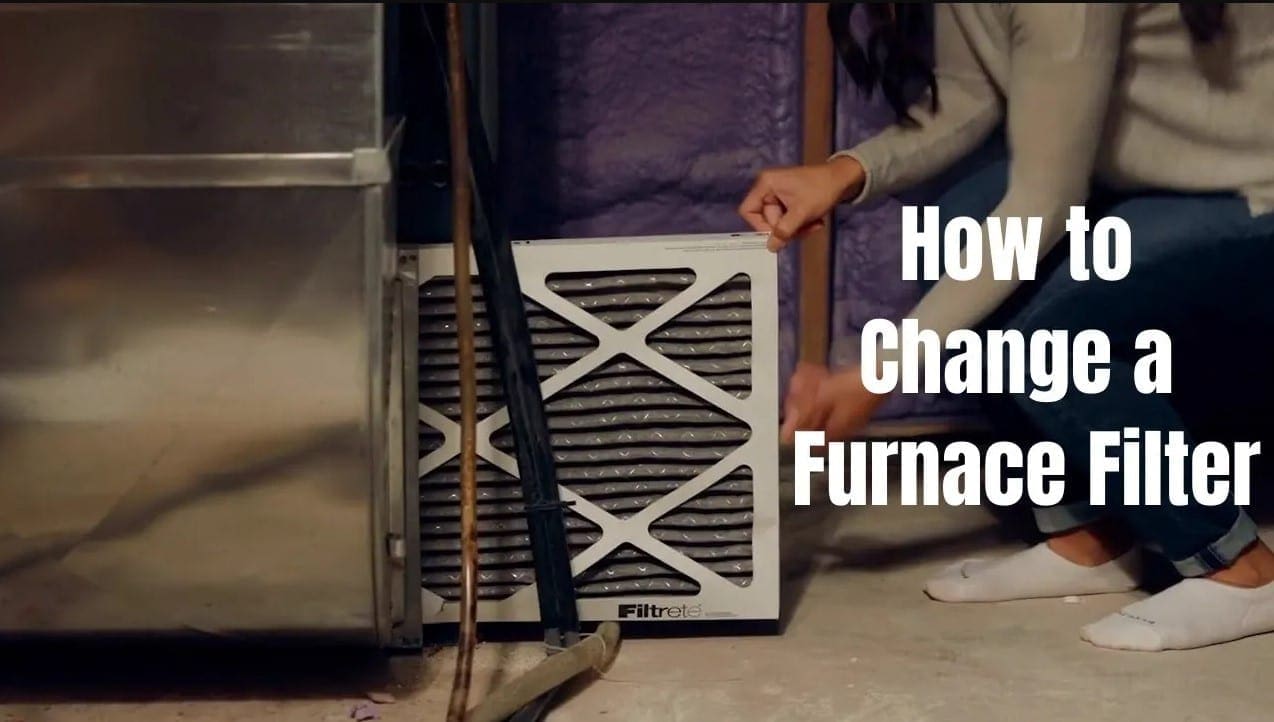
keeping you warm during the cold winter months.
But in order to keep your furnace running at peak efficiency, you’ll have to maintain
it and change the filter on a regular basis.
Furnace filters protect your furnace from dust, hair and other debris that gets drawn
in through the cold air return ducts.
If dirt gets into the furnace, it can increase fuel consumption and maintenance costs while
also reducing furnace life.
Furnace filters also remove dust and allergens from your home which can contribute to improved
air quality for you and your family.
If a filter looks dirty as you pull it out, it needs to be replaced or cleaned.
There are many types and sizes of filters.
Most have something called the MERV rating.
This is a number from 1 to 20 that identifies the effectiveness of the filter.
The higher the MERV rating, the better the filter is at capturing small particles.
A MERV rating between 7 and 13 is ideal for most homes.
Make sure the filter you choose isn’t too restrictive as this can cause your furnace
to work harder which could lead to increased energy usage and shorter equipment life.
The most common furnace filter has disposable pleated paper as the filtration element.
Pleated paper does a good job of removing most household particles and allergens with
a MERV rating of between 6 and 13.
Disposable fibreglass filters are an inexpensive option, but tend to have a lower MERV rating.
Inspect your furnace filter every 30 to 60 days.
The frequency of filter maintenance depends on a number of factors; the type of filter
you’re using, how many people live in the home, the amount of dust and if you have pets,
all affect the filter’s lifespan.
Changing a furnace filter is simple.
First, make sure your furnace is turned off so it doesn’t blow air when you remove the
filter.
Next, locate the filter housing on your furnace.
This is different for each model but you can normally find it between the air intake and
the furnace.
Open the compartment door and slide the filter out.
Compare the size and type of replacement filter with the old one.
Specifications should be printed on the side of the filter.
If size information isn’t printed on the filter frame, measure the filter yourself, rounding
up to the nearest half inch.
Slide the newer, clean filter in place with the arrows pointing towards the furnace in
the direction of air flow.
Secure the compartment cover, then turn your furnace back on.
Now all that’s left to do is set a reminder for your next inspection.
If you need assistance with any furnace maintenance or repair, Call on Reliance.
Furnace Air Filters & Indoor Air Quality
Air filters are the first line of defense for your heating equipment. By capturing dust and allergens, a high-quality filter prevents debris from entering your furnace, maintaining peak efficiency and extending the overall lifespan of your system.
Fiberglass (MERV 1–4)
Captures roughly 20% of large particles like lint and dust. These are designed primarily to protect the equipment rather than improve indoor air quality.
- Replace: Every 30 days
- Best for: Essential equipment protection
Pleated (MERV 6–13)
Captures 70% to 90% of airborne pollutants. These use electrostatic fibers to attract smaller particles like pet dander, spores, and fine dust.
- Replace: Every 90 days
- Best for: Homes with pets, children, or smokers
High-Efficiency (MERV 9–16)
Traps up to 95% of particles down to 0.3 microns, including mold and pollen. These often feature deep 4″–5″ pleated synthetic material.
- Replace: Per manufacturer (often 6–12 months)
- Best for: Allergy sufferers and superior air filtration
Tech Tip
Air filters are categorized according to Minimum Efficiency Reporting Values or MERV ratings. MERV ratings range from 1-20. Air filters with lower MERV ratings will remove a smaller percentage of pollutants. Filters with a MERV between 7 and 12 are considered good quality.

Are you ready for the heating season? A Canadian winter can come in a flash, and you want to make sure that you and your home are ready for the cold before the temperature drops. Just like you don’t wait for your car to stop running before you change the oil, you should not wait for your furnace to break down before you have it inspected. Especially as your furnace ages, some parts become worn or dirty over time such as pilot lights, belts, motor bearings, and the burner assembly. You want to make sure that your furnace is maintained regularly to help avoid a costly breakdown during the winter.
Tech Tip
Be sure to schedule your furnace maintenance in September or October to avoid the rush!
Why should I have my furnace maintained?
- In the middle of a cold winter day is the worst time for your furnace to stop working, you want to make sure any issues are identified earlier
- Even if your furnace does not stop working, it might be performing poorly resulting in more strain on your equipment
- A poorly performing furnace could cost you more to operate
- Replacing a furnace is expensive compared with the cost of a few periodic checkups
Can I inspect the furnace myself?
By all means, check and change your filters, but unless you are a qualified HVAC technician, it is not safe to attempt to fully inspect your own furnace.
Tech Tip
Do not try to open or repair a furnace. Unless you are a qualified furnace technician, never attempt to remove the door or open the furnace in any way. Electronics and anything inside your furnace are for professionals only
Who should maintain my furnace?
There are a few things that you will want to keep in mind when deciding which HVAC company you want to have tune-up your furnace:
- Look for a company with technicians that have a fast response time and avoid those that take days to respond to a call
- Do some online research and read their reviews to see if others have had a positive experience with the company
- Find a company with highly trained technical experts who specialize in different HVAC solutions
- Look at how many service calls the company does each year
What should I do before the furnace inspection?
Before the technician arrives, help ensure safety for everyone by clearing the furnace room and the path to the equipment of any clutter or other items. Replace bulbs to ensure adequate lighting. It is a good idea to have a spare furnace filter on hand. The technician can then check the filter system, and if needed, install the new filter for you. For everyone’s safety, separate and keep your children and pets away from the work area.
Upgrade your home comfort with our special offers
Check Out Our Offers Today!
but did you know that it’s also key to running your air conditioner in the summer? That means
your furnace is working all year round to keep you and your family comfortable. Considering
your furnace is putting in that much work year after year, it’s important to make sure your
system is inspected regularly to keep it running smoothly. Regardless of the age of your furnace,
regular maintenance can help identify issues early to avoid costly breakdowns. An inspection
will also help ensure your system is running optimally, giving you and your family comfort
and peace of mind. At Reliance as part of our maintenance, one of our friendly and knowledgeable
experts will check all the necessary components of your heating equipment including the thermostat,
heat exchanger and blower motor. They will also inspect your system’s wiring as well as the filter
which can help deliver optimal air quality and efficiency. Don’t wait until something goes wrong
to have your system inspected because winter will be here before you know it. Schedule maintenance
early so you don’t get caught in the cold. Call us today. With 24/7, 365 live telephone support
we’re here to help when you need it the most. If you’re looking for a peace of mind all year round,
consider one of our Protection Plans. Our Heating and Cooling Plans can help avoid most unexpected
repair costs. If any problems with your systems arise, we also offer plans that ensure your
maintenance is always covered. So remember, for all of your heating needs Call on Reliance™.
Maintaining Your Furnace Filter and Humidifier
Preparing Your Home for Winter
Try not to leave it until the last minute when snow is piling up outside. But life happens, and your service company should be happy to undertake a checkup even well into winter. Try to book furnace maintenance for September and October before the rush.
1. Consider a protection plan
Put your furnace inspections and regular service on autopilot, by signing up for a compressive protection plan to make sure you are always covered. Learn more here.
2. Make sure the furnace is turned on
It seems obvious, but it does happen that the furnace gets turned off and not turned back on.
3. Check the batteries & test the thermostat
If your thermostat has batteries, check the batteries. Now might be a good time to also check the batteries in smoke alarms and carbon monoxide detectors. Some people choose to check their batteries twice a year at the same time they adjust their clocks for daylight savings time.
It’s easy to test a thermostat. Just check the temperature level and turn it up about 5 degrees higher. Your furnace should come on within a few minutes. If it does not come on, there is a problem with either the thermostat or the furnace. Change the batteries if applicable and if that does not help, call a professional and have them inspect your furnace and thermostat.
Safety Tip
When you are doing maintenance around your home, be sure to replace the batteries and test both your fire alarm and carbon monoxide detector. This should be done at least twice a year.
5. Change the air filters
Furnace filters, humidifier pads, ventilator filters all require checking and regular replacement. The best way is by changing or cleaning your furnace filter, humidifier pad and any other equipment filters in your system. For more information on filters see the filter section below or click here.
6. Keep intake and exhaust vents & grilles clear and clean
Clutter, dust and dirt are the enemies of your home’s heating, cooling and ventilation system. Clean and unblock areas in front of heating grills, radiators, intake vents and outside exhaust vents.
7. De-clutter the furnace room
Keep your furnace room and all areas around your furnace clean and clutter-free. If your furnace room is also your laundry room, do not hang wet items on furnace equipment as it can create a serious fire risk. Store all items away from your heating equipment and provide clear access to your furnace at all times.
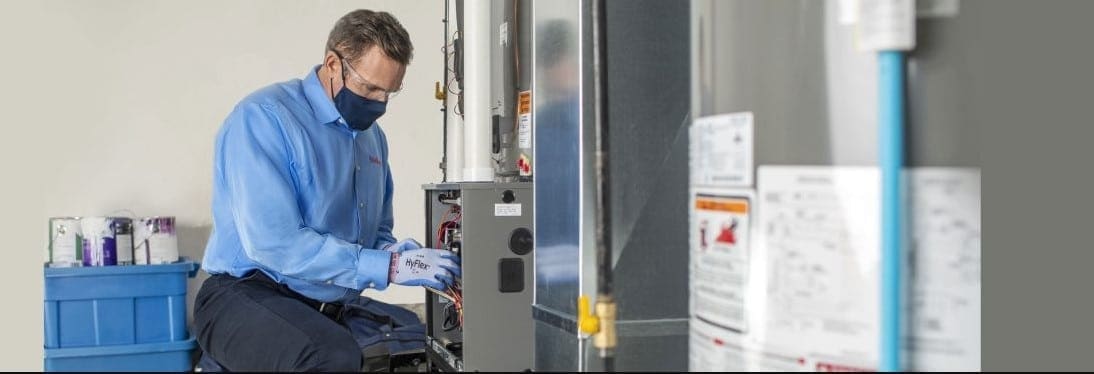
If your furnace is in need of repair, it is important not to leave it. Depending on the problem you are facing ignoring the issue will not only leave you cold this winter, but may also further damage the equipment. For most problems, it is best to call a licensed and trained HVAC technician to come and inspect and repair the system to ensure the system is fixed properly.
For more information about having your furnace fixed, here are a few frequently asked questions for the most common furnace issues:
Furnace Repair FAQs
If it is not working or not working right, the on switch might be off, the breaker may have tripped, the thermostat might be set wrong, and the filter might be very dirty, the air ducts might be physically blocked or the dampers might be closed. If you have checked these items and it still is not working, it is time to call a professional and have it inspected.
If it is blowing cold air your thermostat fan setting might be set to ON. Change it to AUTO so that it only blows when there is warm air to blow.
If your furnace is leaking water, it is usually related to condensation leaking from a blocked or damaged hose used in a high efficiency furnace, air conditioner or humidifier. It might also be the water supply to the humidifier. All leaks should be referred to a qualified technician.
Popping or banging sounds especially if they occur after the blower turns off, are usually caused by expansion and contraction in the ductwork. A squeaking noise during operation may mean worn out fan bearings. A scraping sound could be a blower wheel fault. Tapping may indicate something caught up in the blower blades. Buzzing often relates to a problem with a transformer box. All furnace sounds should be checked by a qualified technician.
Cost increases can be caused by different occupants, usage patterns, or weather, higher fuel prices. If none of this sounds right, check that your filters are clean, your vents are unblocked, and that your thermostat settings are proper. If none of that solves the problem, you might need a cleaning and inspection.
This should really be left to a professional, but carbon monoxide alerts, odours, soot, changes to burner flame and metal discolouration might all point to a cracked heat exchanger. Professional technicians may use a special camera or combustion analyzer to provide a more accurate diagnosis.
Upgrade your home comfort with our special offers
Check Out Our Offers Today!

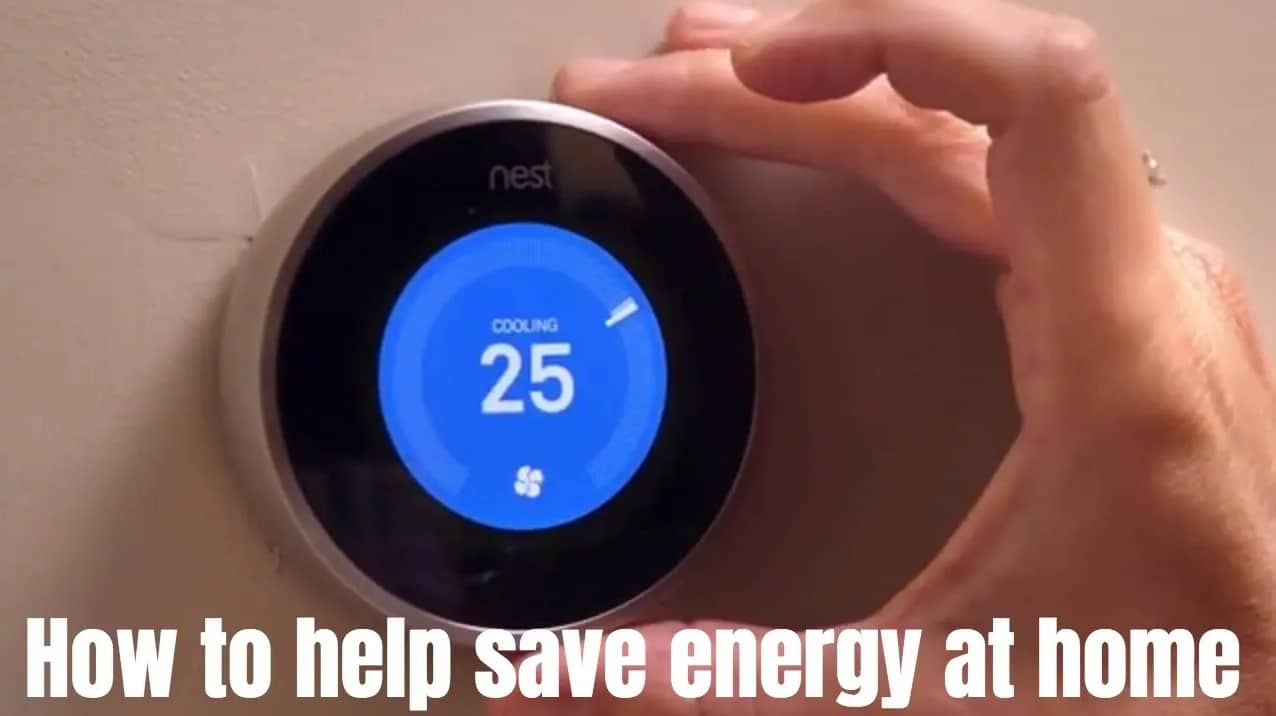
With the high price of energy, finding ways to make your home more energy-efficient is top of
mind for all of us. Whether you’re trying to be environmentally friendly or reduce your monthly
utility bills, there are a few things that you can do to help lower your energy consumption. First,
consider upgrading less efficient equipment to a high-efficiency system and schedule
regular maintenance with a trusted and professional HVAC technician. It takes
a lot to keep your heating and cooling equipment running so you want to make
sure that your system is operating smoothly and as efficiently as possible. Second,
be sure to replace your furnace filter regularly. Not only can this help with indoor air quality,
it can also help keep your furnace from overuse. A dirty furnace filter causes your furnace’s
blower motor to work harder to move the warm air throughout your home. That means it takes more
energy for your furnace to keep your home at your preferred temperature. So be sure to follow the
manufacturer’s recommended replacement cycle to help avoid unnecessary energy consumption. Third,
think about upgrading to a programmable or smart learning thermostat. This new type of thermostat
will regulate itself automatically by recording your usage patterns, eventually learning the exact
temperature you like at each time of the day to minimize energy waste. And lastly, consider
implementing zoning options for a targeted temperature in different areas of the home,
directing heat to only the areas where it’s needed, when it’s needed, can make a difference
in your home’s energy use. There are also other simple ways that you can help bring down energy
consumption like ensuring your doors and windows are well-insulated and sealed or by using ceiling
fans to help distribute warmed or cooled air throughout your home. If you have questions
about energy savings in your home or are looking to upgrade to more energy-efficient heating and
cooling equipment call us today. Our knowledgeable team of Home Comfort Advisors are committed to
answering your questions, assessing your needs and will help find the right energy-saving solution
for you and your home. So remember for all of your home comfort needs, Call on Reliance™.
Expert Tips: How to Help Lower Your Winter Heating Costs
Maintaining a warm and comfortable home throughout the Canadian winter doesn’t have to break the bank. By implementing a few strategic changes to your daily habits and equipment, you can keep your energy costs manageable even when the temperature dips.
- Harness Natural Solar Heat
Keep your curtains and blinds open during daylight hours. Even in sub-zero temperatures, the sun provides a powerful natural heat source that can help take the edge off your furnace’s workload. - Invest in ENERGY STAR® Certified Equipment
If you are replacing an aging system, prioritize units with ENERGY STAR® certification. These high-efficiency models are designed to provide maximum warmth while consuming significantly less fuel. - Optimize with Smart Controls
Upgrading to a programmable or smart thermostat allows you to automate temperature setbacks when you are sleeping or away, giving you total control over your monthly energy bill. - Reverse Your Ceiling Fans
Ceiling fans aren’t just for summer. By switching your fan direction to clockwise at a low speed, you create an updraft that pushes warm air trapped near the ceiling back down into the living space. - Layer for Comfort
An easy and cost-effective way to stay warm is to reach for a sweater or a blanket before adjusting the thermostat. Lowering your home temperature by just a few degrees can result in noticeable seasonal savings.
Energy Tip
Upgrading both your furnace and your air conditioner to efficient models at the same time will help you maximize your energy savings.
If you have any questions about heating your home or are looking for a new furnace or heat pump, Call on Reliance™ today to schedule time with one of our trusted Home Comfort Advisors. The advisor will assess your home and discuss your needs to find the right solution for you and your family.